Ratgeber zu Tee und Teegeschirr
Guanyang Spring Shoumei: A Loose White Tea Guide
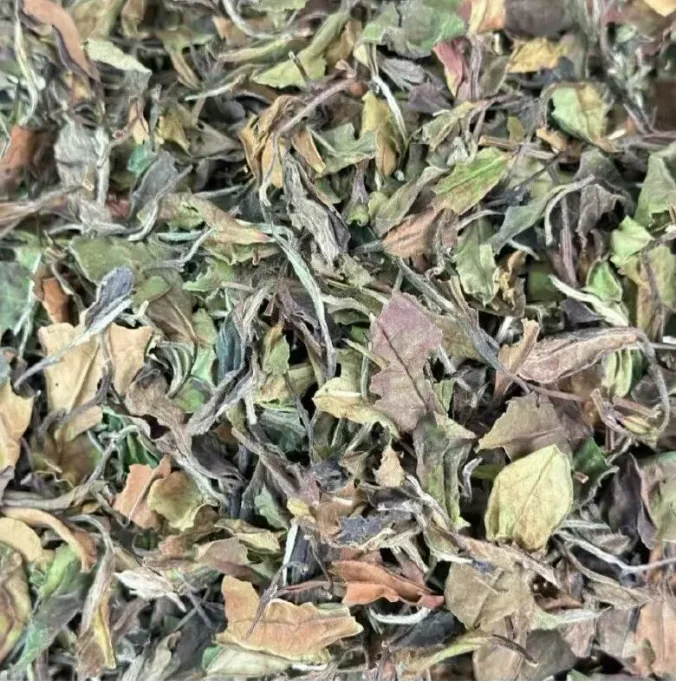
A spring leaf tea from Fuding
Guanyang is one of the white-tea growing areas of Fuding, Fujian, China. The two source accounts describe the same spring Shoumei selection in loose-leaf form. They emphasize continuity of sourcing and a clean, sweet cup rather than the pressed-cake format.
Shoumei can include buds, leaves and stems. It is generally leafier than Silver Needle, which focuses on buds, and need not look like White Peony to be enjoyable. In the source sample, small leaves, silvery down and a mixture of green and brown tones are visible. Leaf color alone cannot tell you the harvest year or certify a high-mountain origin.
Withering and drying do different jobs
The producer’s account favors sun-assisted withering, followed by final drying. Withering changes the leaf as moisture is lost; drying brings the finished tea to a condition suitable for packing. Neither stage is simply a contest to see who uses the longest time or the strongest sun.
Weather, leaf thickness, spreading and airflow all affect the process. Ask how the tea was finished and stored rather than relying on an unverified moisture percentage. A seller’s description of a slow process does not by itself establish a laboratory result or prove that the tea will age well.
What to look for in the cup
The source tasting favors a fresh floral aroma, a gentle grain-like impression and a soft, sweet liquor. It describes the scent remaining in the cool cup as honey-like. These are impressions from that selection, not a flavor promised by every tea grown in Guanyang.
Try 3 grams in a 150 mL gaiwan with water around 90–95°C (194–203°F). Begin with a short infusion of about 20 seconds, drain fully and adjust the next pour. Loose leaves wet differently from a compact cake, so use weight rather than a visual spoonful when comparing them.

Compare harvests without chasing the date
If you want to compare this year’s spring Shoumei with an older lot, keep the brewing setup constant and note the picking, drying and storage information. A change in fragrance or body may reflect several of those factors at once.
The source dates do not form a reliable storage timeline, so this guide does not treat them as evidence that the pictured tea was held for a particular number of months. Buy a small pack you enjoy now; set a little aside only if you can keep it dry, sealed and free from surrounding odors.