Guías de té y utensilios
Where Is Jin Jun Mei Tea From? Tongmu and Wuyi Origins

Jin Jun Mei is a bud-based Chinese black tea with its origins in Tongmu, in the Wuyi Mountains of Fujian. That is the useful starting point when a seller describes a tea as “Tongmu Jin Jun Mei.” The name on the front of a tin, however, does not tell you where a particular batch of leaves grew.

A modern tea rooted in a Chinese black tea region
Zhengshantang dates its development of Jin Jun Mei to 2005, drawing on Tongmu's Lapsang Souchong tradition. Unlike an old place-name that has been used for centuries, Jin Jun Mei is a modern tea name. In English, look for Jin Jun Mei or Jin Jun Mei Black Tea; “Golden Eyebrows” is a translated name you may also encounter.
Tongmu, Wuyi Mountains and the address on a packet
Tongmu is the specific place associated with the tea's development. “Wuyi Mountains” is a broader description. A company registered in Wuyishan may process or pack tea, but its business address alone cannot establish the growing location of its fresh leaves.
Ask for the stated raw-material origin, producer, harvest year and batch information. If a seller charges a premium for a particular village or mountain garden, the supporting information should be equally specific. A landscape photograph illustrates a region; it is not a certificate for a retail tea.
What does the mountain setting contribute?
Growing conditions, tea plants and manufacturing decisions together influence the finished cup. It is reasonable to discuss Tongmu's mountain environment. It is less useful to promise that every packet comes from one precise elevation, that all material is wild, or that every tea is entirely handmade without batch-level evidence.
Descriptions such as floral, honeyed and fresh are tasting language. They can help you choose a sample, but they cannot locate a tea garden.

Can you confirm origin by looking at the leaves?
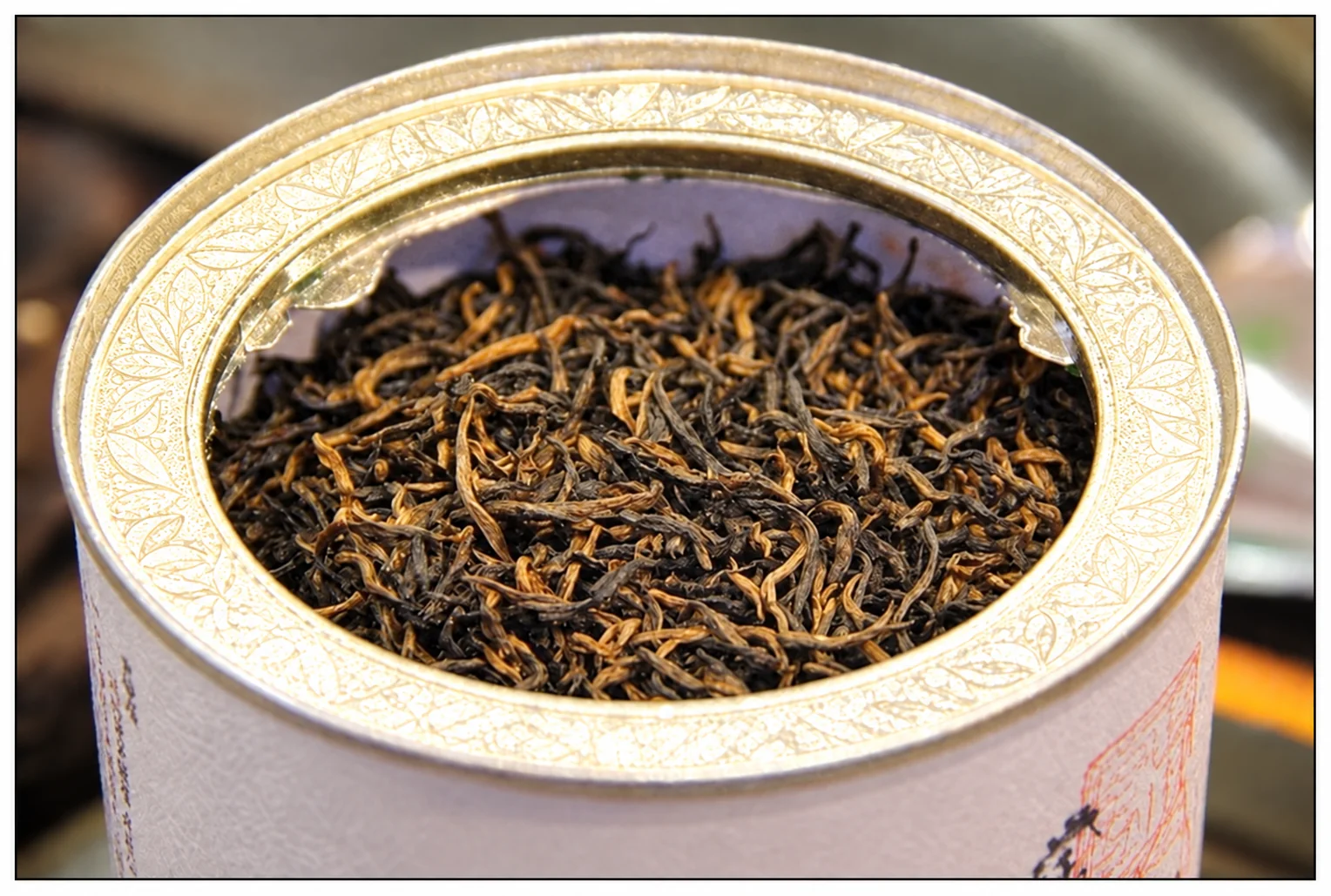
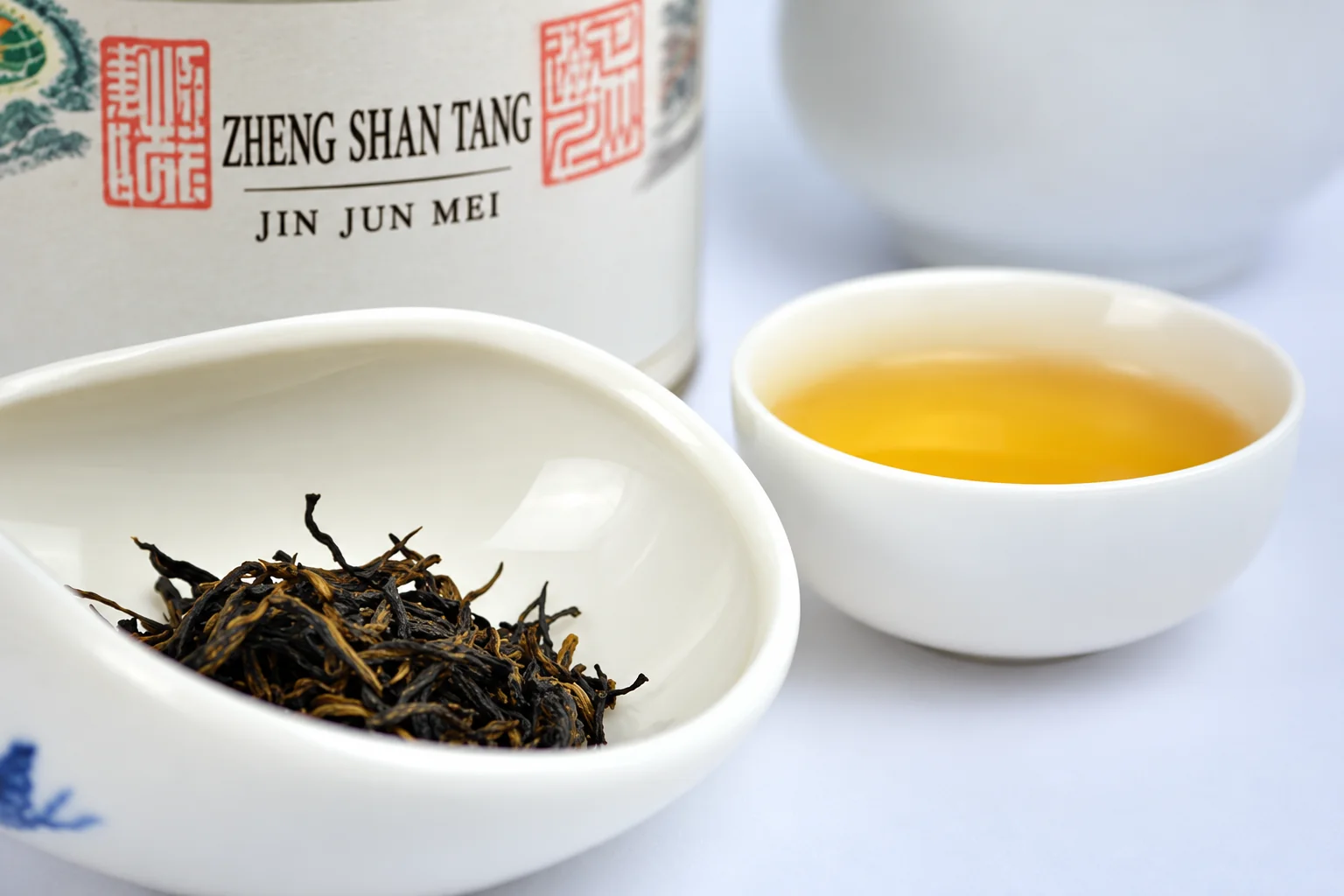
No. Fine dark buds with some golden hairs are familiar in Jin Jun Mei, but cultivar, processing, photography and lighting affect appearance. Neither a fixed black-to-gold ratio nor a golden ring in the cup proves Tongmu origin. Even an appealing tea needs clear sourcing if origin is part of the sale.

Before paying an origin premium
Start with a small sample from an identifiable seller. Keep the packaging and receipt, compare the stated origin with the producer's information, and ask questions before ordering a large gift box. For a closer comparison, read the Tongmu versus other-origin buying guide.
Source: Zhengshantang's account of Jin Jun Mei. The development date is attributed to the producer.