Tea & Teaware Guides
How to Store Jin Jun Mei Tea and Keep It Fresh
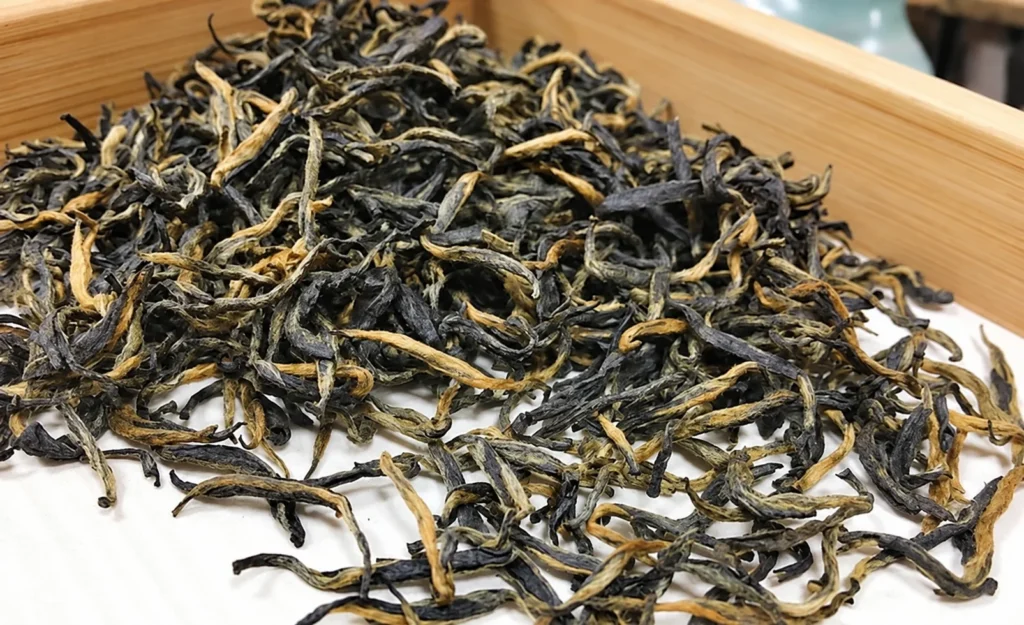
Keep Jin Jun Mei sealed, dry, away from strong odors and out of heat and direct light. Buy an amount you can use at a sensible pace. Black tea is easier to keep than fresh produce, but it is not immune to moisture or stale flavors.

Choose the storage place first
A cool, dry cupboard away from the stove, dishwasher, sunny window, spices and cleaning products is a practical choice. Do not judge the spot only on an average room temperature: a kitchen shelf can become much hotter and more humid while you cook.
Keep the original inner packaging
Reseal the moisture-resistant inner bag after taking out tea, then close the outer tin. A decorative tin is not necessarily airtight. Small individually sealed packs reduce repeated exposure if you drink the tea only occasionally.
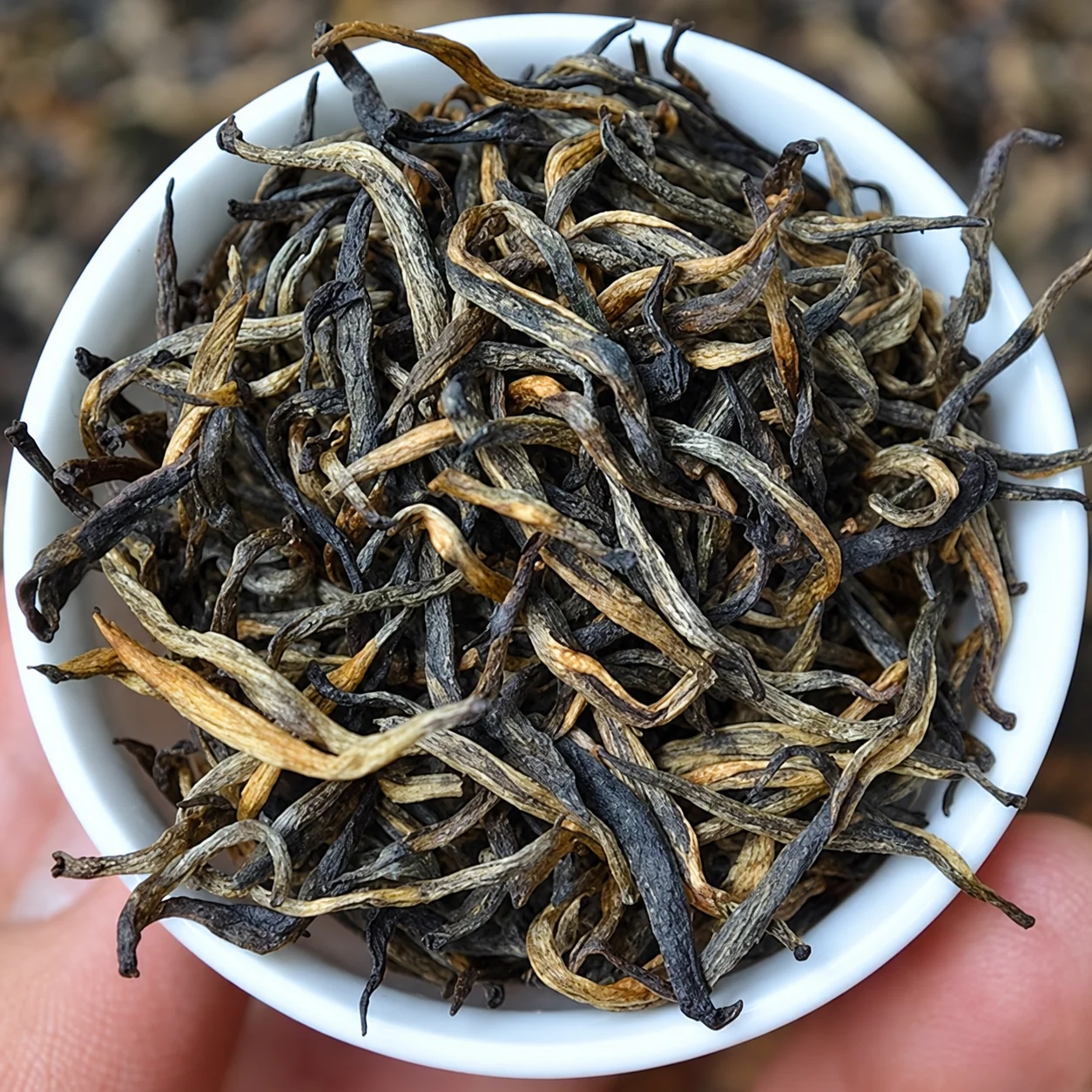
Use clean, dry utensils. Avoid leaving the bag open while a kettle steams beside it. If buying a large quantity, keep most of it sealed and open a smaller working portion.
What is the shelf life?
Follow the date and storage instructions on the actual packet. Tea type alone cannot assign every product an 18-month, 24-month or five-year shelf life. Manufacturing, residual moisture, barrier packaging, sealing and storage conditions all matter.
Do not rely on a claim that tea below a particular moisture percentage stays unchanged for years. Most home drinkers cannot measure that figure accurately, and aroma can still fade. Jin Jun Mei is normally bought for the flavor it offers, not as a guaranteed aging investment.
Does it need the refrigerator?
For everyday use, good sealed storage in a suitably cool, dry place is usually simpler. A refrigerator can introduce odors and condensation if handling is poor. If the producer gives a specific refrigerated-storage instruction, follow it; otherwise do not assume chilling fixes a damp cupboard or a poorly sealed container.
When to stop using a packet
If the tea has visible mold, signs of damp damage or a suspicious musty smell, do not brew it just to test whether it is acceptable. Re-drying or rinsing does not restore a compromised packet. A faded but otherwise normal aroma is a different quality issue; contact the seller if the tea seems inconsistent with the description.

Keep the label so you can check the batch and instructions. A ceramic jar, gift bag or striking red tin may look attractive, but storage performance depends on the actual seal and inner barrier.