Tea & Teaware Guides
Tongmu vs Other-Origin Jin Jun Mei: What to Compare

“Zhengshan” and “waishan” are often used in Chinese tea discussions to contrast the original mountain area with material from elsewhere. For Jin Jun Mei, the practical question is whether a seller can explain a Tongmu-origin claim. A beautiful aroma alone cannot answer it.
Begin with the stated origin
Ask where the leaves were grown, not just where the business operates. Keep the producer, processing location and growing location separate. If the description says only “Fujian black tea,” do not silently read it as “Tongmu Village.”
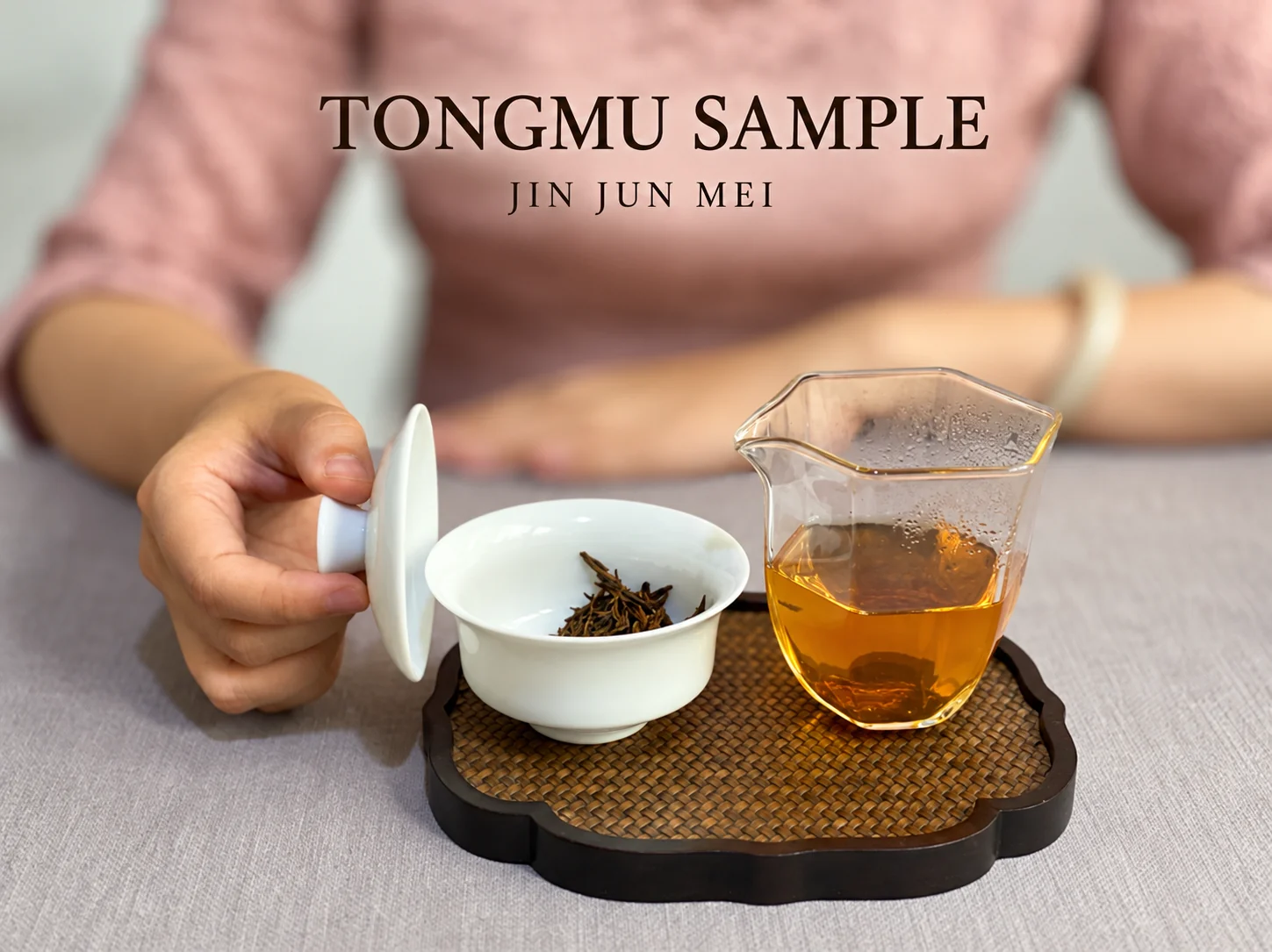
The source photographs show tea being prepared as Tongmu examples. They illustrate the discussion; Sandao has not independently authenticated the photographed batches. That distinction matters whenever pictures appear beside an origin claim.
Compare cups at similar strength
Use the same water, leaf weight, brewing vessel and infusion time. Start with a plain porcelain gaiwan if possible, so the vessel adds little aroma of its own. Taste the tea while warm and again as it cools enough to drink comfortably.

Write down specific impressions: floral, honey-like, fruity, roasted, brisk or drying. Also notice whether the aroma is clean, whether the cup feels balanced and whether the finish is pleasant. These observations describe quality and preference more reliably than a simple “stronger fragrance wins” rule.
What an other-origin sample can tell you
A tea made elsewhere may still be enjoyable. The important issue is truthful description and a price that matches what is being sold. Do not turn one disappointing sample into a verdict on an entire province or all non-Tongmu tea.
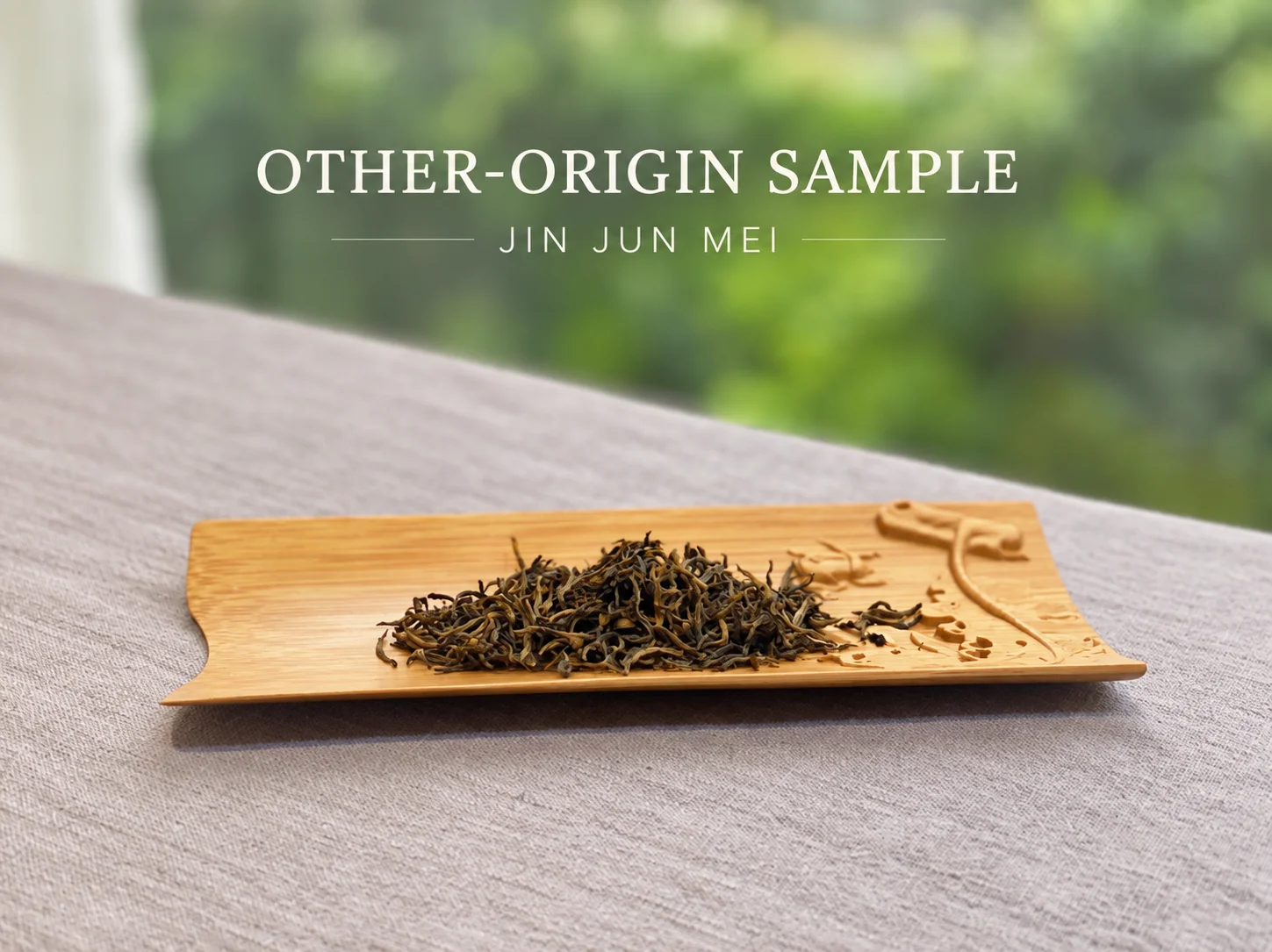
Roasted sweet-potato notes, a powerful floral aroma or a darker infusion do not prove an origin claim false. Equally, a delicate honey note does not prove it true. Manufacturing, leaf material and brewing can all change these impressions.
Appearance is a clue, not a geographic test
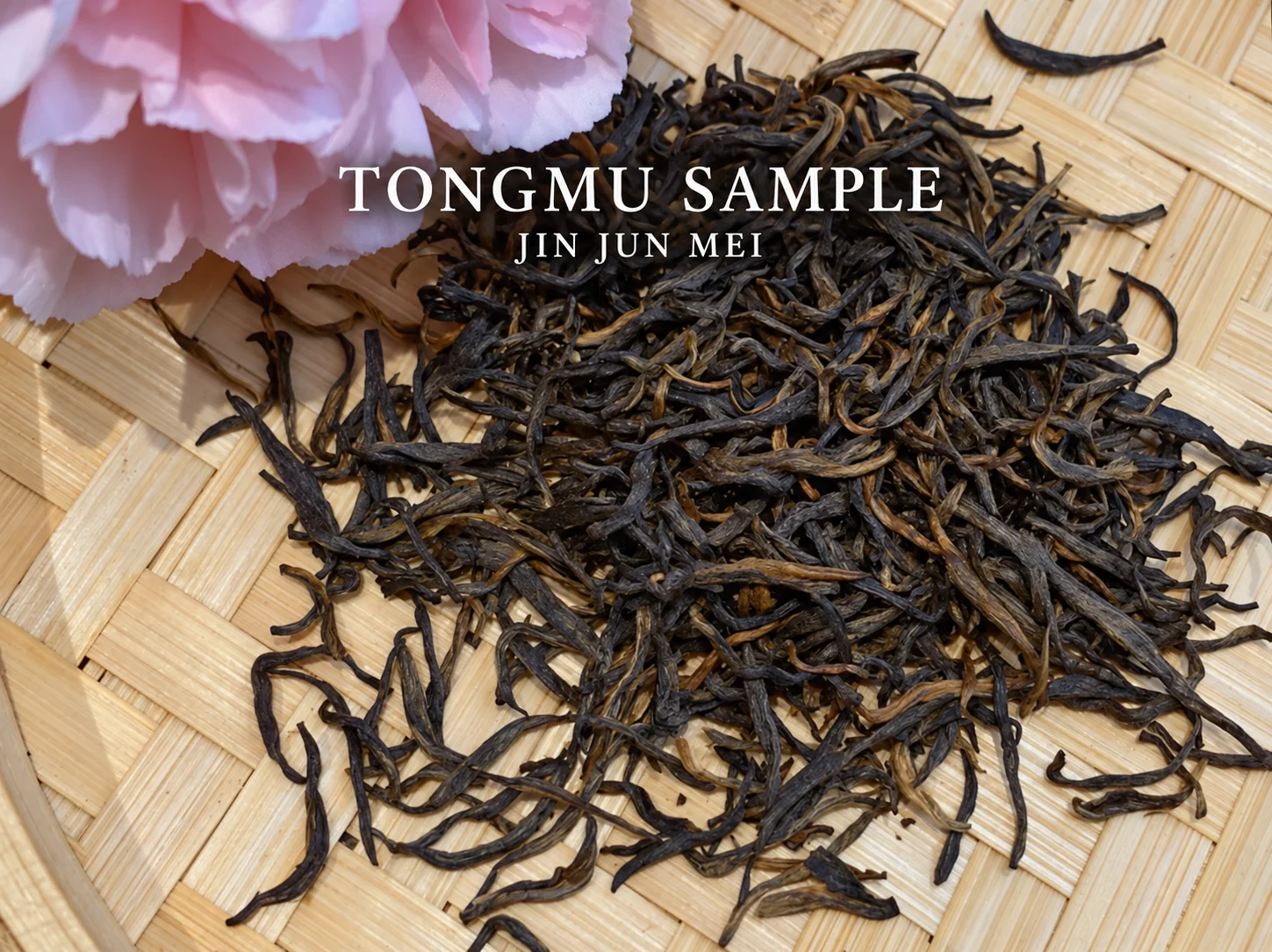
Look for the picking specification the seller actually promises. Examine whole buds, visible leaves and broken material, but allow for variation between batches. Pictures edited to make the tips bright gold are especially poor evidence for origin.
A sensible buying decision
Choose a small sample with a clear producer and batch description. If Tongmu origin is essential to you, ask for supporting sourcing details before paying the premium. If you mainly want a satisfying everyday Chinese black tea, compare the actual cup and cost without treating a prestigious name as the only route to enjoyment.
Read next: Jin Jun Mei origin and labeling and golden tips, sugar and flavoring claims.