Tea & Teaware Guides
Jin Jun Mei Golden Tips: Can You Spot Sugar or Flavoring?
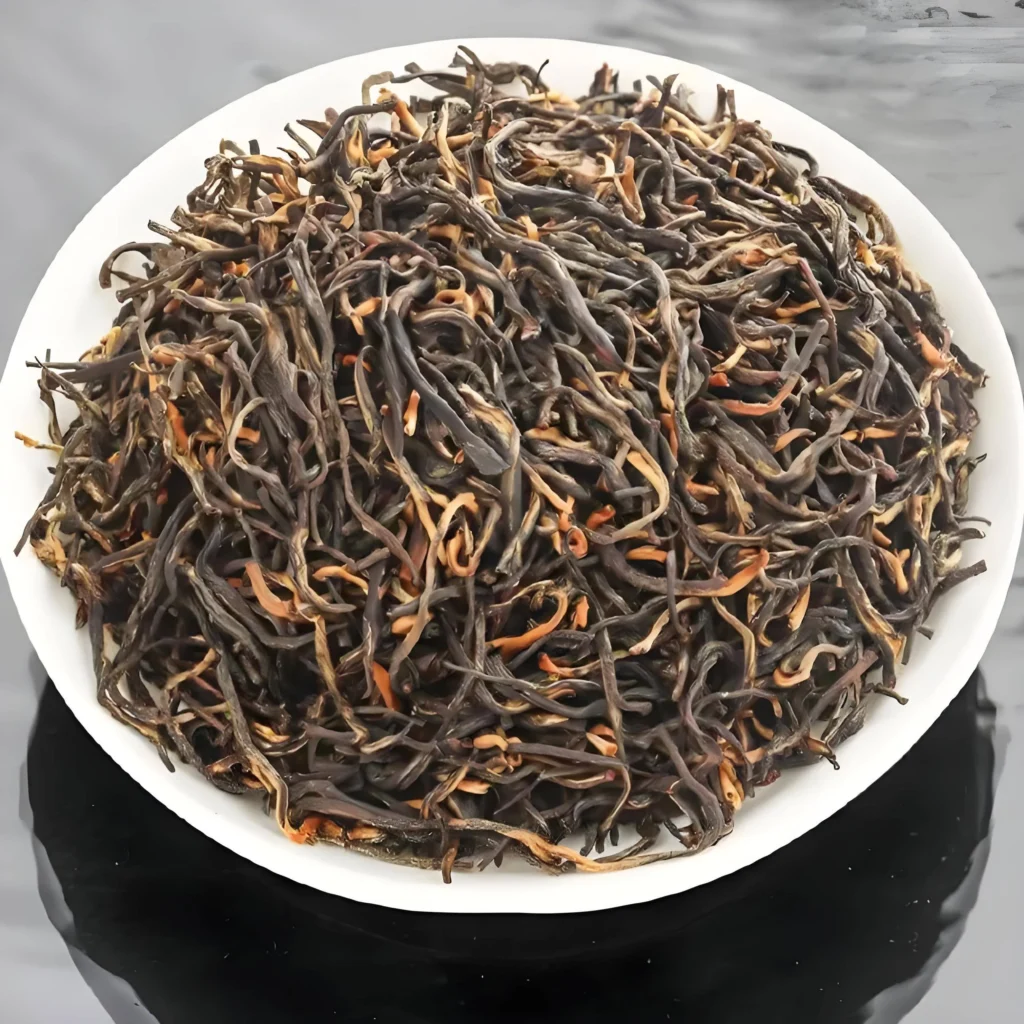
Bright golden tips are eye-catching, but they are not an authenticity certificate. Jin Jun Mei commonly combines dark material and lighter hairs. The proportion varies, and a photograph cannot tell you whether sugar, color or flavoring has been added.
What you can learn from dry leaves
Compare the material with the seller's description. Is it sold as bud-only tea? Are there many visible leaves or broken pieces? Do the pictures match the sample? These are useful questions. A mandatory 60:40 black-to-gold ratio is not a reliable rule.
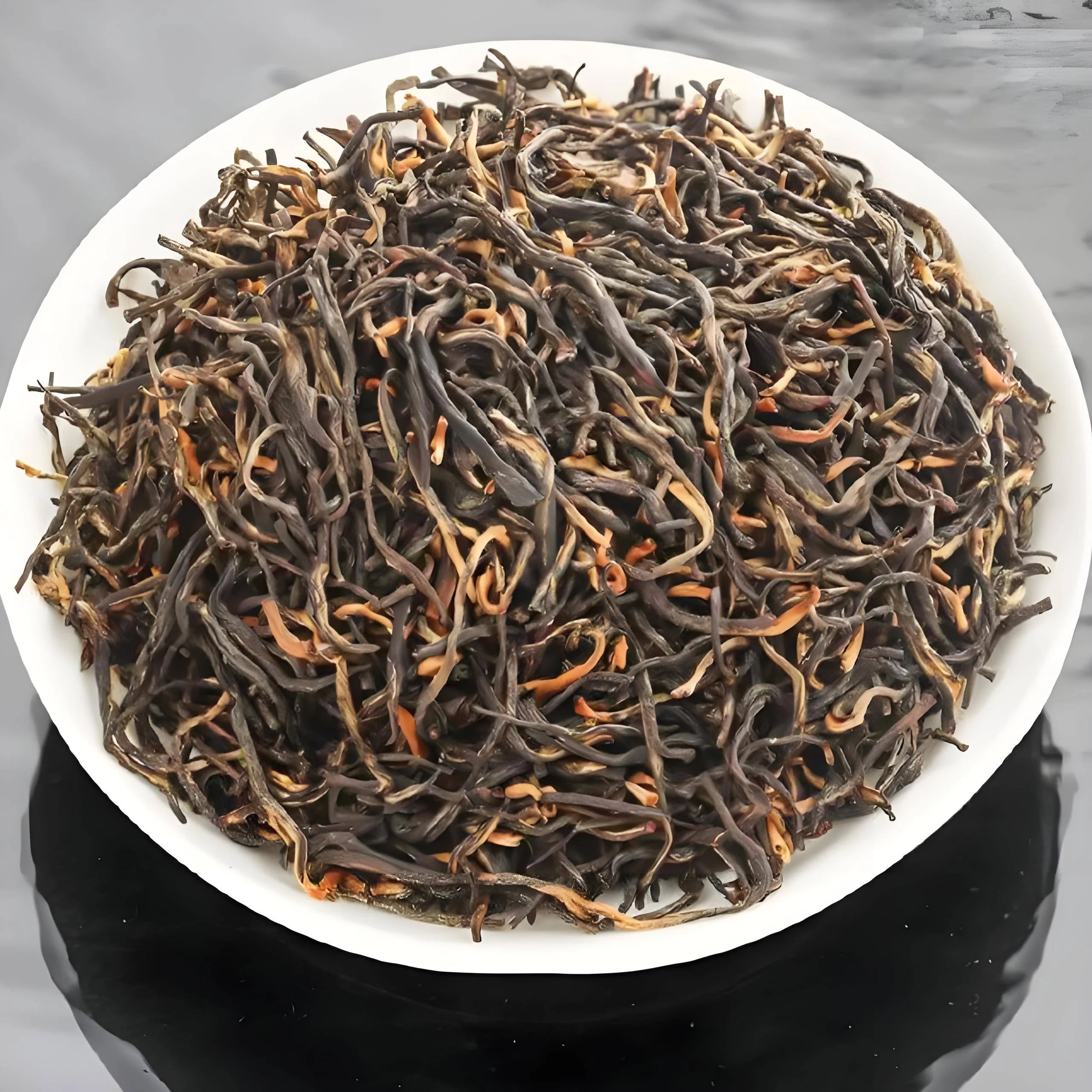
Golden hairs occur naturally on tea buds. An all-gold appearance may justify more questions about the cultivar and product, but does not by itself prove dyeing. Equally, dark buds are not proof of origin.
Aroma cannot identify ingredients on its own
Honey-like and floral notes can develop naturally in tea. Strong perfume, stale smells or a flavor you dislike are good reasons to pause, but smelling a cup is not a chemical test. Cold-water aroma and how quickly the fragrance fades cannot reliably confirm added flavoring.
Color, a golden ring and the first infusion
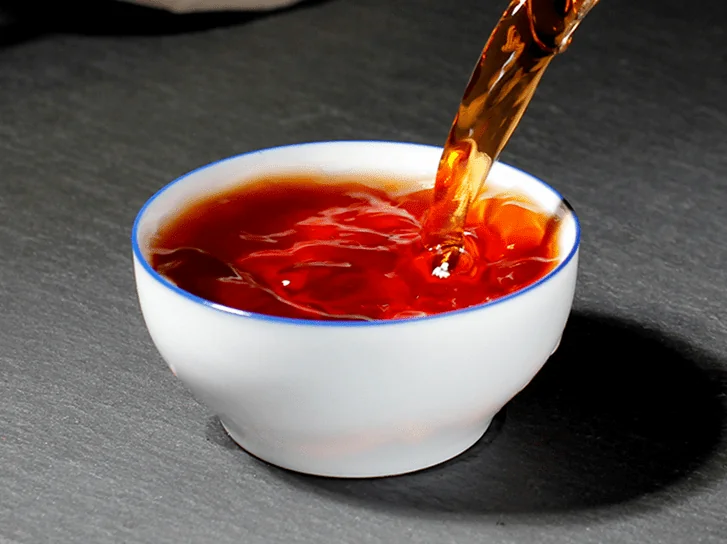
The water, leaf dose, steeping time and cup change the appearance. A redder first infusion does not automatically mean fraud. Fine hairs, small particles and cooling can also affect how clear a brew looks.
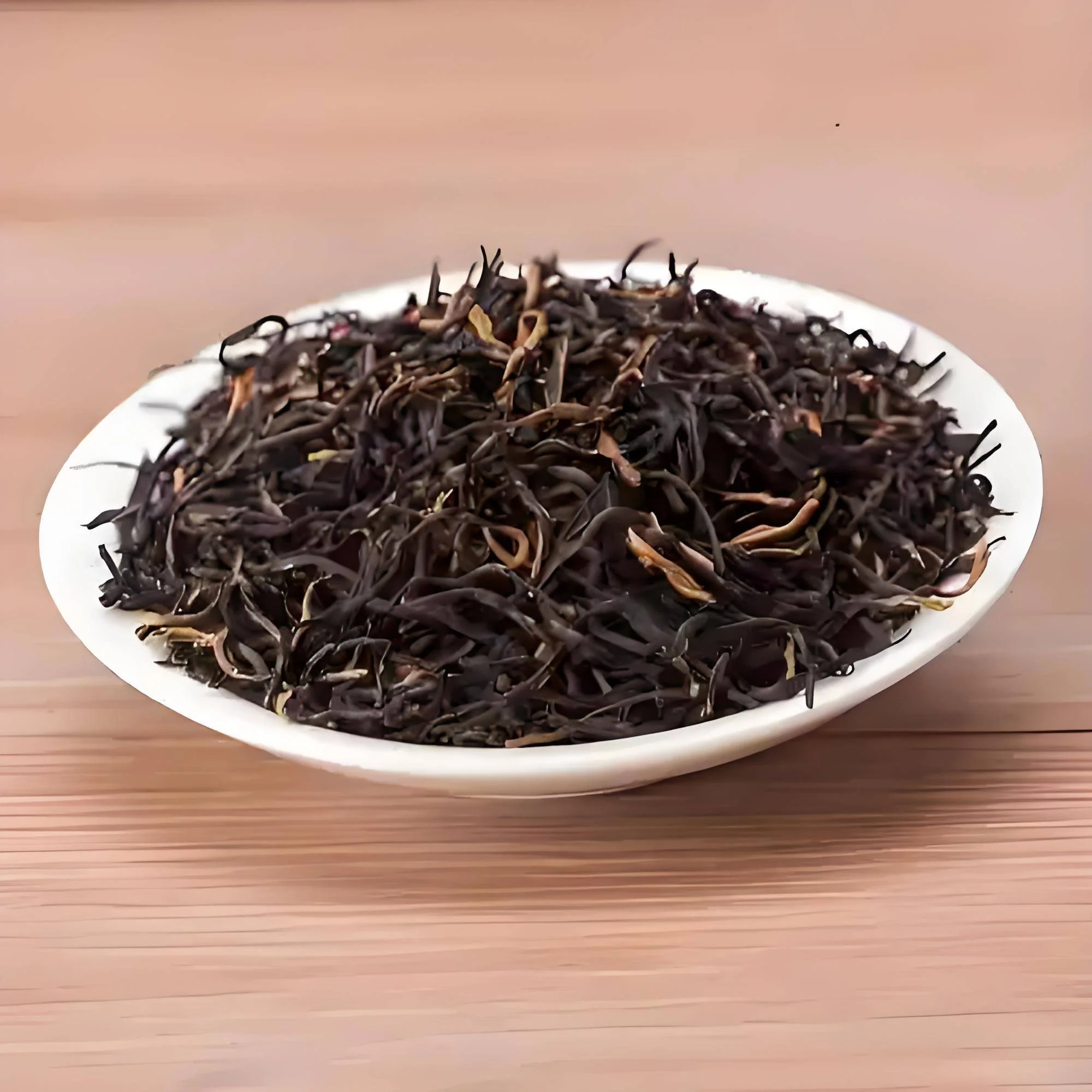
What about rubbing the leaves or testing stickiness?
Tea dust and natural pigments can leave marks; concentrated tea can leave residue. Rubbing leaves on white paper, touching wet leaves or noticing a sticky cup cannot establish what was added. These methods should not be used to accuse a named producer of adulteration.
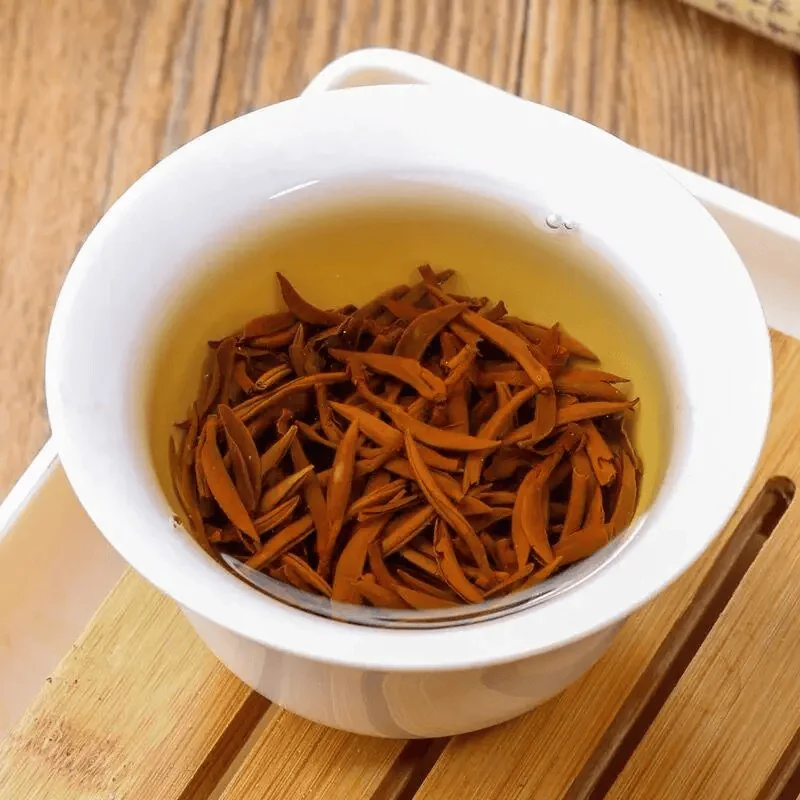
Sensory examination can help compare consistency, cleanliness and enjoyment. Confirming an undeclared ingredient needs appropriate evidence and, where necessary, competent laboratory testing.
A better buying checklist
Read the ingredient list, producer, origin claim, batch and storage instructions. Ask the seller to clarify unclear wording. Buy a small sample, keep the packet and order record, and compare the cup at a sensible strength. If the product differs materially from its description, use the seller's after-sales process with clear observations rather than unsupported accusations.
Price is useful context, not a verdict. A high price does not guarantee Tongmu origin, and an inexpensive tea is not automatically unsafe. Treat origin misdescription, disappointing quality and undeclared ingredients as different questions.
Read the origin guide and price comparison guide before a larger purchase.