お茶と茶器のガイド
Spring Shoumei vs. Autumn Bailu White Tea
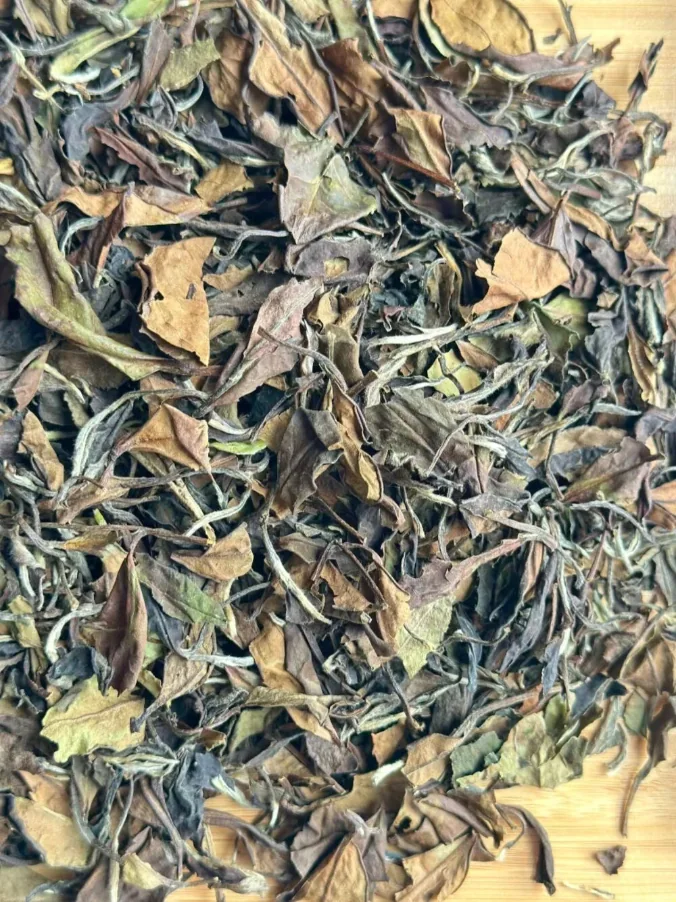
What “Bailu” tells you
Spring Shoumei points to a spring harvest. Bailu, literally “White Dew,” names an early-autumn solar term in China; for white tea, it signals a harvest around that part of the season. Ask for the picking date if the timing matters to you. The name alone says little about the amount of stem, the exact leaf grade, or how well the tea was stored.
What two aged samples tasted like
The source tasting compared a 2015 spring Shoumei with a 2018 autumn Bailu. The spring tea came across as rounder and more substantial; the autumn sample showed a brighter aroma and a lighter impression in the cup. Note that the years differ as well as the seasons. Leaf maturity, processing and storage can all move the result in either direction. Treat these two cups as examples, not a rule that spring tea is always thicker.

Compare aroma and body separately
Weigh the same amount of each loose tea and brew them with identical water and timing. Smell first when the cups are warm, then sip once they have cooled a little. Write down how full the liquor feels, how long the fragrance lasts, and whether the second infusion gets softer or more drying. If possible, repeat with spring and autumn tea from the same producer and year. That takes one major variable out of the comparison.