Sandao · Китайский язык чайная посуда и культура
Longjing Tea Guide: Dragonwell & West Lake Longjing
Longjing tea, also known as Dragonwell, is one of China’s best-known green teas. Start here to understand the names on a packet, distinguish West Lake origin from the wider Longjing category, and find practical buying and brewing advice.
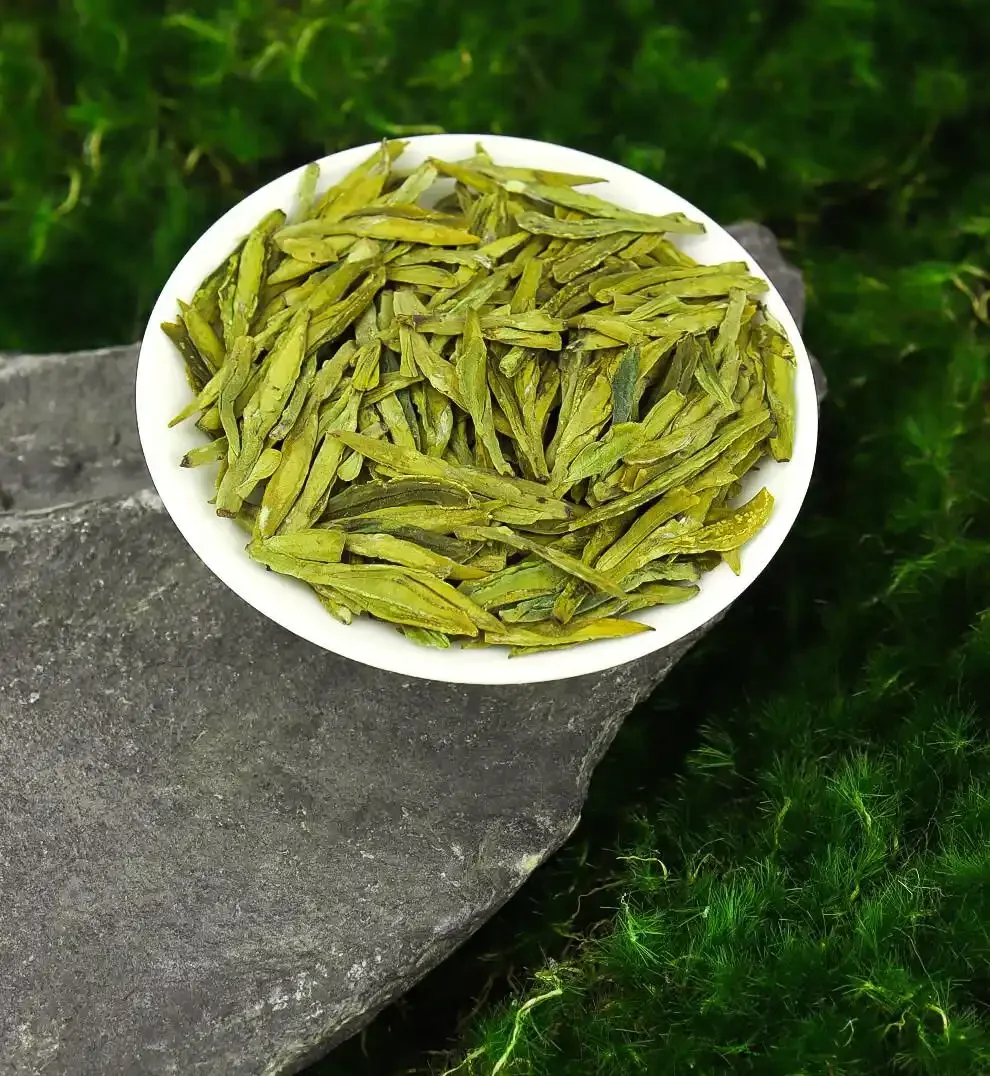
Longjing, Dragonwell and West Lake: what do the names mean?
Longjing Tea and Dragonwell Tea name the same tea style in English. West Lake Longjing Tea is more specific: tea from the designated Xihu production area in Hangzhou, Zhejiang, China. Other recognized Longjing production areas include Qiantang and Yuezhou. Their teas should be described by their actual origin, rather than being presented as West Lake tea. Hangzhou’s consumer guidance explains the production-area distinction.
Within the West Lake area, names such as Shifeng and Meijiawu identify more specific places. They are useful details to investigate, rather than guarantees you can establish from a leaf photograph or gift-box design.
On English listings, you may also see West Lake Dragonwell Green Tea. Whatever wording a seller chooses, check the producer, origin, harvest year and traceability information together.
All Longjing and West Lake Longjing articles
Our dedicated guides cover one question at a time, beginning with authenticity and buying checks.
-
Why Is West Lake Longjing Tea So Famous?
-
Longjing Tea Buying Checklist: Brands, Grades and Labels
-
Gong Pai Tea: Company, Heritage & West Lake Longjing
-
China’s Top Ten Regional Tea Brands: The 2017 List
-
West Lake Longjing Sensory Evaluation: A Gelong Sample
-
Longjing Tea Myths: Color, Buds, Harvests and Water
-
Gongpai Longjing Review: Jingpin vs AA Grade
-
West Lake Longjing Tea Brands: Six Names to Know
-
West Lake Longjing and UNESCO: Five Challenges Ahead
-
West Lake Longjing Labels: Origin and QR Checks
-
West Lake Longjing Brand Protection: Shanghai 2021
-
Lu Zhenghao Longjing Tea: A Meijiawu Family Story
-
Yifutang Longjing Tea: Reading a 2016 Buying Record
-
Early Spring Longjing: Is It Genuine West Lake Tea?
-
West Lake Longjing Grades and the Five Historic Origins
-
How to Store Longjing Tea: Fridge, Freezer or Cupboard?
-
What Does Longjing Tea Taste Like? A West Lake Guide
-
Why Is My Longjing Tea Bitter or Weak? Six Things to Check
-
How to Brew Longjing Tea: Temperature, Ratio and Time
-
Longjing 43 vs Quntizhong: Which Tea Will You Enjoy More?
-
Mingqian vs Yuqian Longjing: Is Earlier Tea Always Better?
-
Where to Buy West Lake Longjing Tea Online: An Overseas Guide
-
West Lake Longjing Tea Price: What Are You Paying For?
-
West Lake Longjing vs Longjing: What Is the Difference?
Harvest and processing terms worth understanding
Mingqian Longjing, also called Pre-Ming or pre-Qingming Dragonwell, refers to tea described as picked before Qingming in the stated year. First flush refers to an early picking, but ask which garden, cultivar or batch is meant. Neither expression, by itself, establishes West Lake origin.
Pan-firing shapes the leaves and contributes to Longjing’s familiar toasted character. If a listing says “hand pan-fired,” ask which processing stages were done by hand. Cultivar, weather, harvest timing and firing can all affect the cup; a single fixed aroma is not a universal authenticity test.
A practical starting point for brewing and storage
For a light cup, try about 2–3 g of leaves with 200 mL of water (roughly 7 US fl oz) at 75–85°C / 167–185°F, and start tasting after about a minute. This is a starting point for cup brewing, not a high-leaf gongfu recipe. Follow the producer’s directions where available, then adjust the leaf weight, temperature and time to your taste.
Glass lets you watch the flat leaves open; porcelain makes it easy to drain and compare infusions. Store the dry tea sealed, away from heat, light, moisture and strong smells. If you refrigerate a sealed pack, let it reach room temperature before opening to reduce condensation.
Related reading
- Chinese green tea types: Longjing alongside nine other famous teas — a broader comparison.
- Choosing teaware for six tea types — practical considerations for brewing delicate green tea.