О чае и чайной посуде
Pu-erh Tea and Calcium: What the Evidence Can Tell Us

The claim that drinking Pu-erh automatically causes calcium deficiency is too broad. So is the opposite claim that it has been proved to improve calcium absorption in everyone. Bone health depends on overall diet, vitamin D, age and other factors. Tea is one part of that picture, and the strength and amount consumed matter.
Caffeine has a small effect on calcium absorption
The US National Institutes of Health describes caffeine as reducing net calcium absorption to a small extent. That does not establish that an ordinary cup of Pu-erh causes deficiency, nor does it make calcium intake irrelevant. Its fact sheet also explains that oxalate can bind calcium; the effect of a whole diet cannot be inferred from the presence of one compound in tea.
Animal studies do not settle the human question
The source material discusses rat experiments measuring calcium and phosphorus. Such work can suggest mechanisms and questions for further research. It cannot establish a human treatment benefit, prove that unlimited tea is harmless, or justify prescribing tea to prevent osteoporosis. Avoid reading a lower fecal-calcium result as a complete measurement of long-term human bone health.
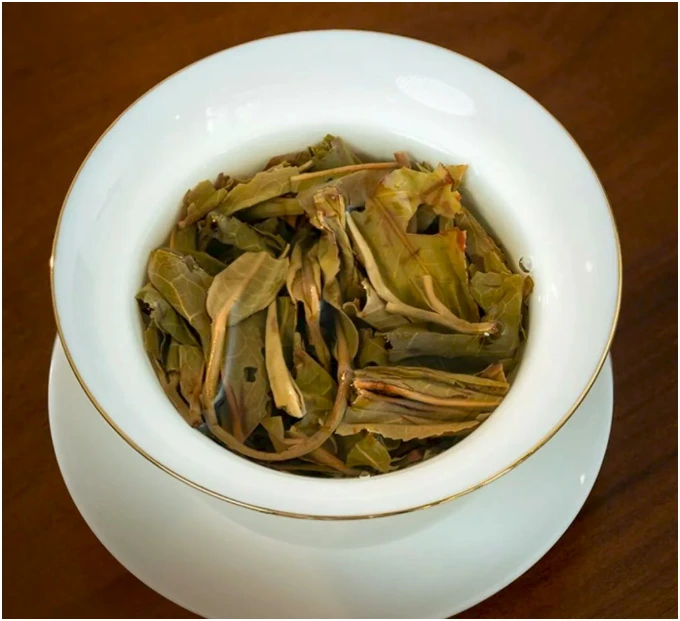
Ripe Pu-erh is not automatically low in caffeine
Caffeine varies with leaf material, manufacture and brewing. A smooth-tasting ripe tea may still deliver caffeine, and fermentation level or liquor color is not a reliable measuring tool. Keep tea as a beverage rather than a calcium supplement. If you have osteoporosis, recurrent kidney stones, dietary restrictions or a prescribed treatment plan, discuss your usual tea intake with the clinician managing that condition.
