Tea & Teaware Guides
Mi Lan Xiang Dancong: Why Tea Drinkers Return to Honey Orchid
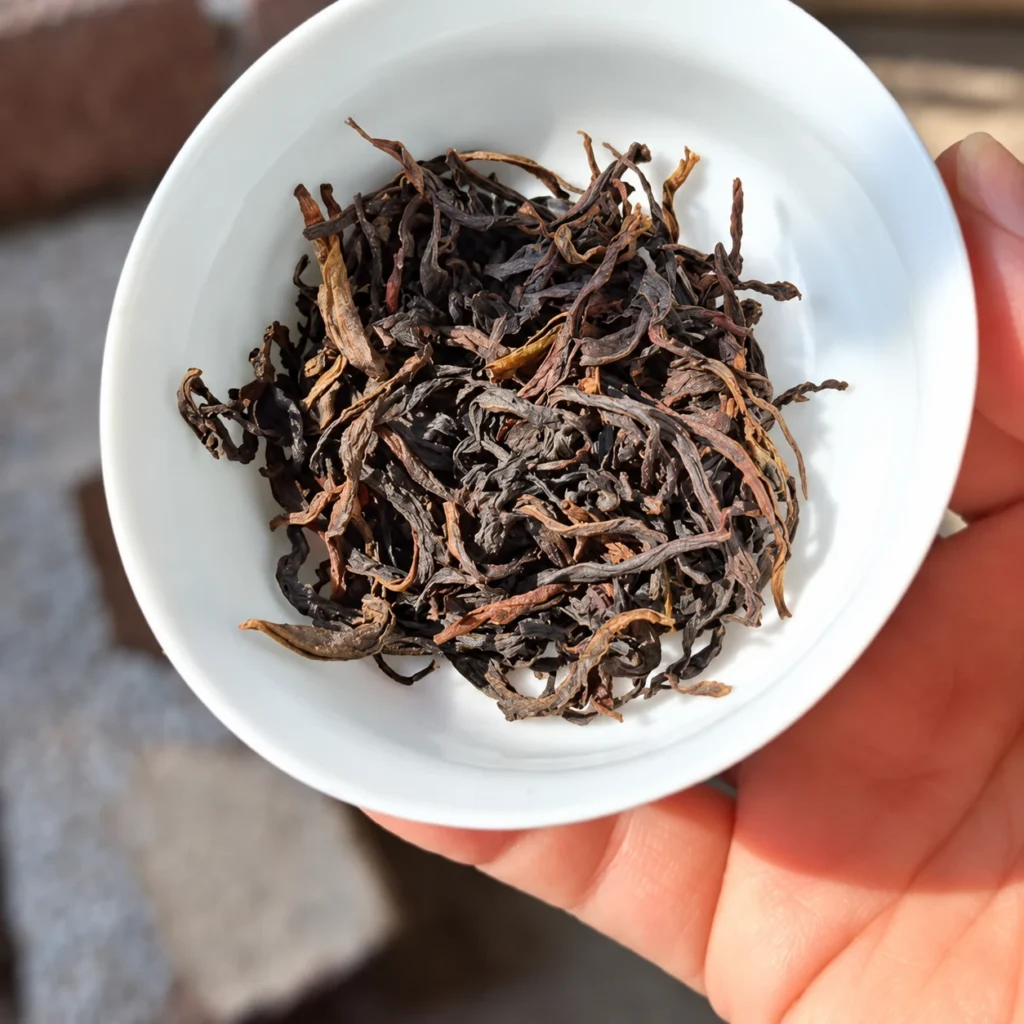
Mi Lan Xiang is often translated as Honey Orchid. It is one of the familiar names in Phoenix Dancong, the aromatic oolong teas associated with Chaozhou in Guangdong, China. Its appeal is easy to understand: a sweet, honeyed impression with a quieter floral note underneath.
For a newcomer, that combination offers a useful introduction to Dancong. For an experienced drinker, the interest shifts from how loudly the tea smells to how well its fragrance, texture and finish hold together. That helps explain why a familiar Mi Lan Xiang can remain satisfying after exploring many other styles.
What does Honey Orchid actually taste like?
The name describes a sensory impression. Honey, cooked sweet potato, ripe fruit and orchid-like flowers are useful tasting references; they are not an ingredient list. Plain Mi Lan Xiang should not need added honey or flowers to explain its name. Check the label when buying a flavored blend.
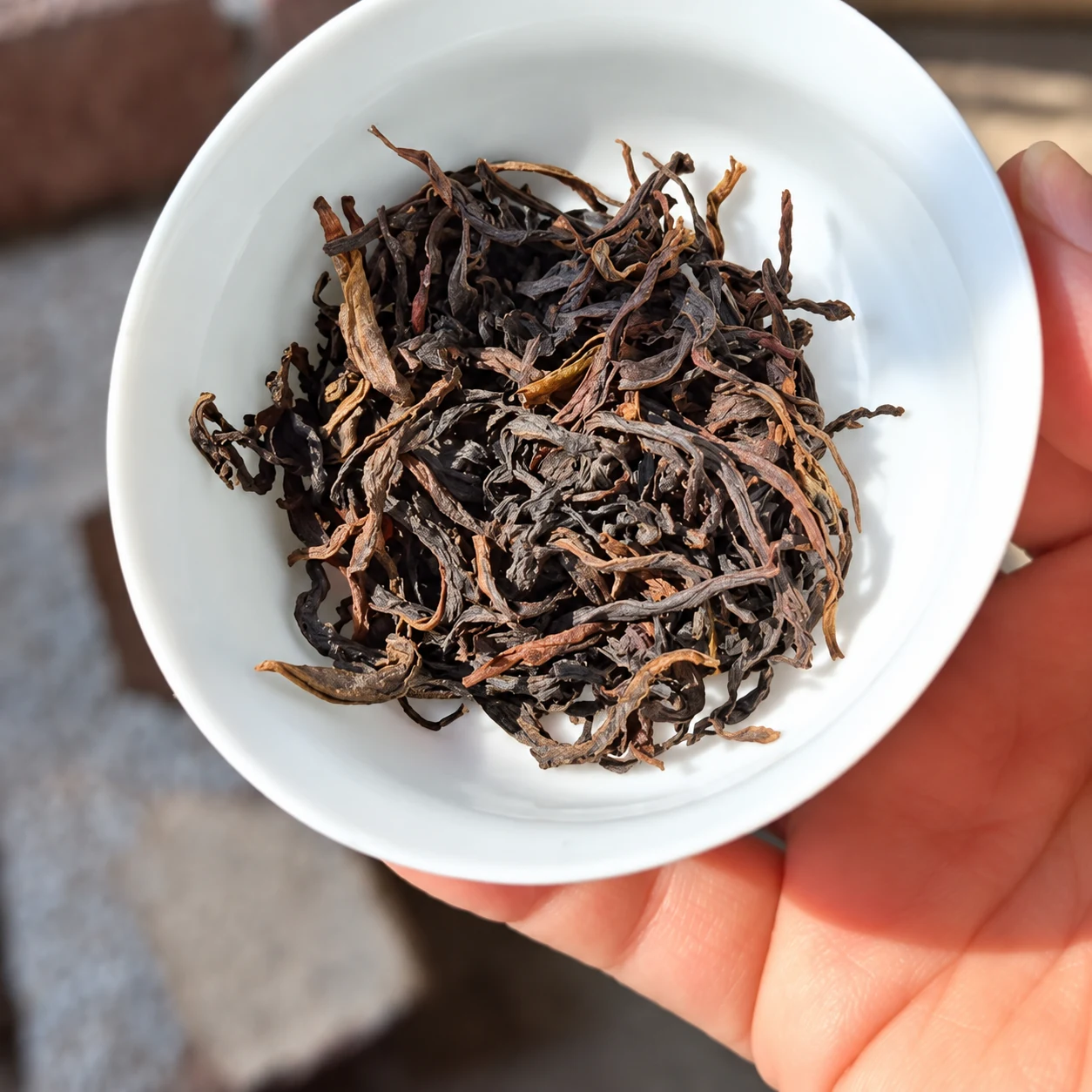
Individual lots vary. Some lean toward a pronounced honeyed sweetness; others reveal a more delicate floral note. A cup does not have to match every descriptor to be enjoyable. Look for a fragrance that remains connected to the tea rather than judging it from the dry leaves alone.
Read the liquor, texture and finish together
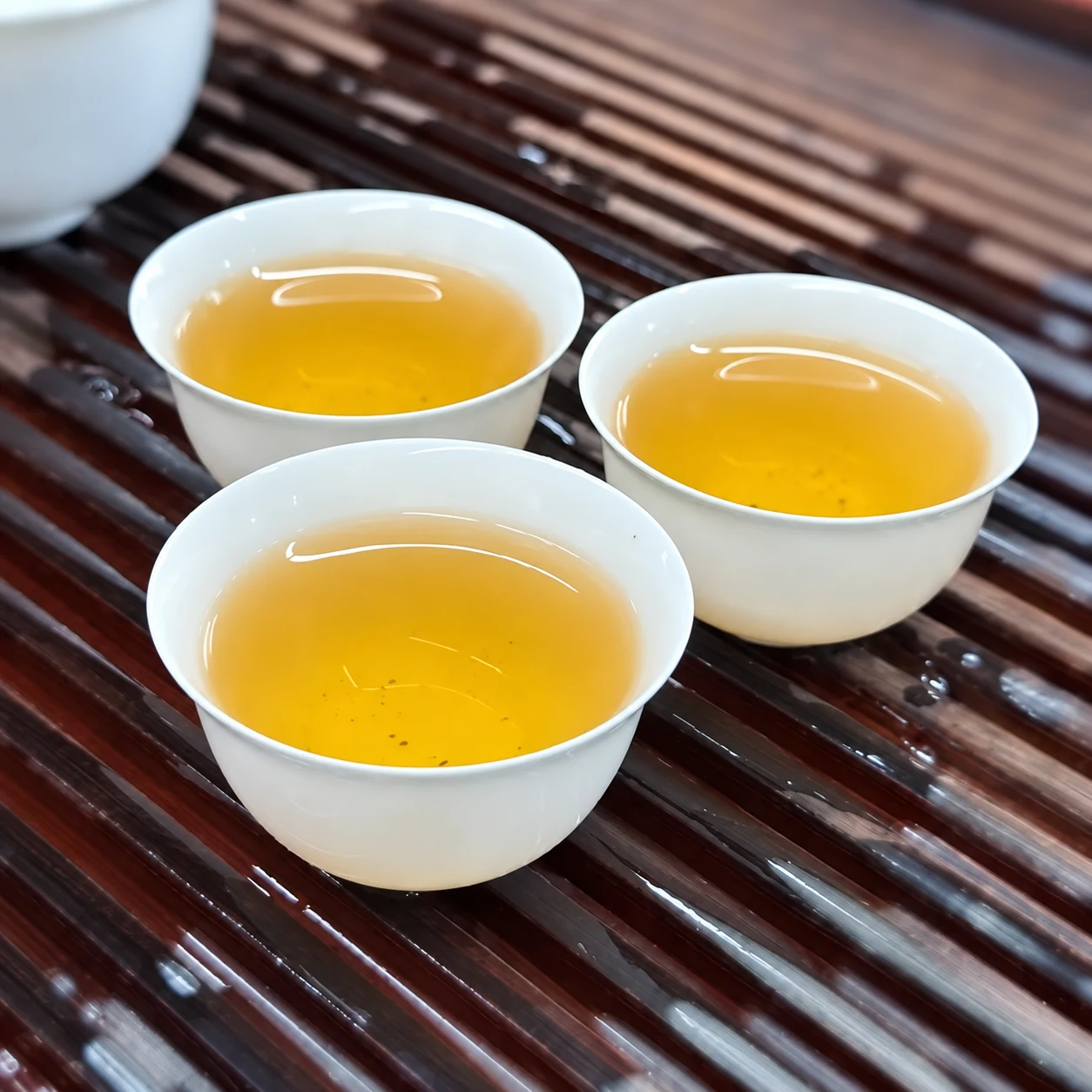
A well-made example can show clear yellow to orange-gold liquor, a rounded mouthfeel and a lingering sweet finish. Color changes with roast, leaf quantity and infusion time, so a darker cup does not automatically mean better tea.
Take a small sip once the liquor is comfortable to drink. Notice whether it feels smooth or drying, whether floral notes sit above the roast, and what remains after swallowing. A strong initial smell followed by a thin, harsh cup is less rewarding than a quieter tea that stays coherent across several infusions.
Why roast and resting time matter
Roasting can move a tea toward warmer, nuttier or more honeyed impressions, while fresh roast may temporarily obscure delicate flowers. Resting after roasting can help the cup settle, but there is no universal number of weeks that guarantees readiness. Taste the actual batch.
A deeper roast is a style choice, not a quality ranking. Avoid tea that smells persistently scorched, damp or stale. If a seller uses “old-tree” or a mountain name, ask for traceable batch information; fragrance alone cannot establish age or origin.
The best reason to return to Mi Lan Xiang is simpler than any slogan: its sweetness, floral lift and aftertaste suit the way you like to drink tea.
Related oolong tea guides
- Which Phoenix Dancong to Try? Three Classic Aroma Styles
- Phoenix Dancong Tasting: How to Compare Five Aroma Styles
- Wudong Old-Tree Mi Lan Xiang: Origin, Buying & Brewing