Tea & Teaware Guides
Charcoal-Roasted White Tea: Craft, Flavor and Quality
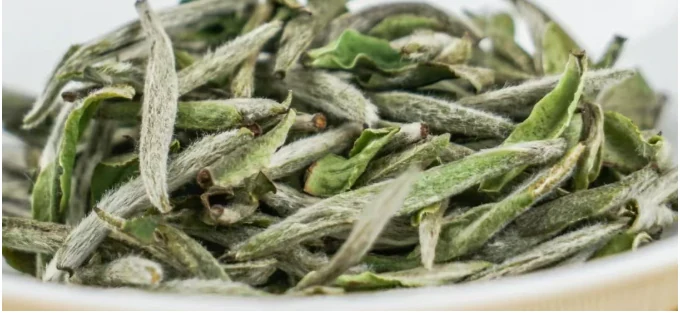
Charcoal roasting is one way to supply heat during white tea drying. It can require considerable skill and labor, but the fuel name does not tell you whether the finished tea is good. Raw material, withering and the way heat reaches the leaf still decide much of the result.

The craft lies in heat management
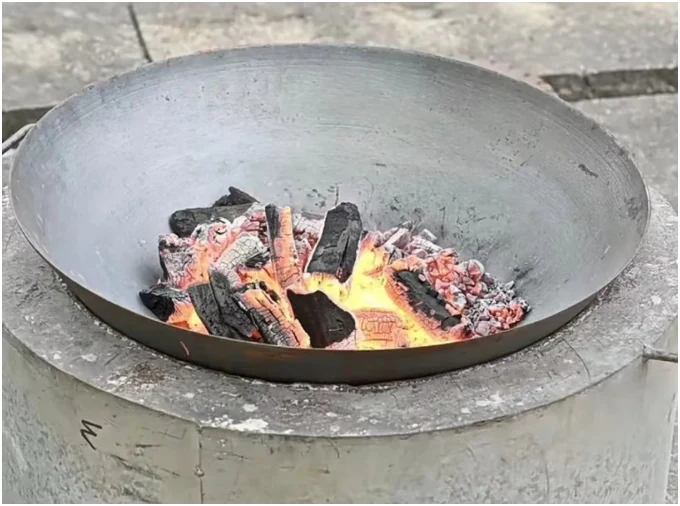
A traditional setup may place a roasting basket above a carefully managed charcoal bed. Distance, ash coverage, airflow, leaf loading and attention from the maker all affect the heat. The photographs illustrate professional equipment rather than a home procedure. Burning charcoal indoors can create dangerous carbon monoxide; this is not a method to improvise in a kitchen.
A clean roast should not need a smoke excuse
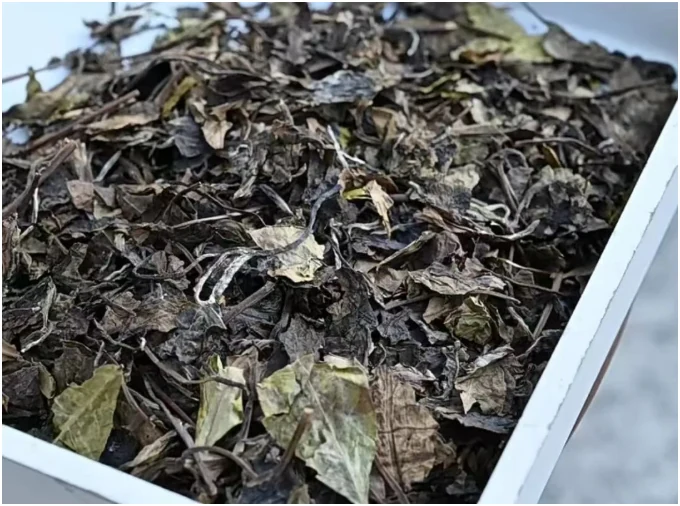
Drying can reduce raw green notes and shift a tea toward a rounder impression. Excessive heat or uneven treatment can instead flatten the aroma, scorch leaf or create an unwanted roasted dominance. A persistent smoky or burnt odor is not a mandatory signature of fine charcoal-roasted white tea. Let the cup cool and check whether the tea remains balanced.

Charcoal and electric drying can both work
Electric equipment offers controllable conditions and repeatability; traditional charcoal work may offer a maker a different way to manage heat. Neither compensates for poor leaf or incomplete earlier processing. Ask what the producer means by charcoal-roasted and compare similar teas by taste, not only by the labor story or a higher price.