Tea & Teaware Guides
Two Chenpi Recipes: Bayberry Drink and Red Bean Dessert

Adapted as a food and flavor guide. The original article’s treatment and “dampness-removing” promises have not been carried over; the quantities below are practical kitchen starting points, not medical doses.
A little peel changes the whole dish
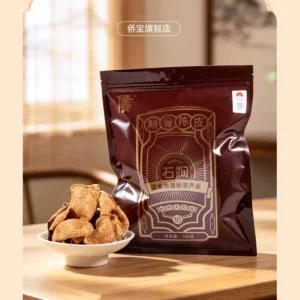
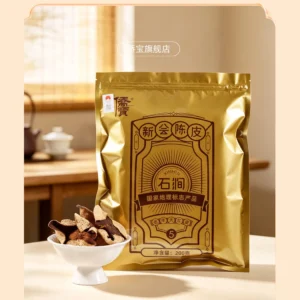
Chenpi is dried tangerine peel, valued in Chinese cooking for the contrast between citrus fragrance and a gentle bitter edge. In Guangdong, it is as at home in a sweet soup as in a teapot. Two combinations are especially approachable: a tart red bayberry drink and a soft Cantonese red bean dessert.
Use food-grade peel from a traceable seller. Xinhui chenpi brings a particular regional identity, but a high price or a very old vintage is not essential for trying these recipes. Start with a small piece: you can add citrus aroma more easily than remove bitterness.
Chenpi and Chinese bayberry drink
Chinese bayberry, also called yangmei or yumberry, has juicy red flesh around a hard stone. For a small saucepan, try about 250 g fruit, one small piece of chenpi and 750 ml water. Sugar and osmanthus are optional. These proportions are a starting point; fruit acidity and peel intensity vary.
Sort the fruit, discard damaged or moldy berries, and rinse under running drinking water. A salt-water soak is not a substitute for cleaning and does not sterilize fruit. Soften the peel briefly in warm water, check it, then add it to the saucepan with the fruit and fresh water.
Simmer, strain and taste before sweetening
Bring to a boil, reduce the heat and simmer for roughly 10–20 minutes, until the fruit releases its color and flavor. Strain carefully, keeping the stones out of the drink. Taste first, then add only enough sugar to balance the acidity. A little osmanthus, mint or lemon can finish it, though each changes the original flavor.
For a chilled drink, cool it promptly and refrigerate in a clean covered container. Avoid leaving a warm fruit drink on the counter all afternoon. Add any fresh fruit garnish just before serving, and do not give young children whole bayberries with stones.

Cantonese red bean dessert with chenpi
For two to three small servings, start with about 150 g adzuki beans, one small piece of peel and 1–1.2 litres water. Use adzuki beans, not red kidney beans: they are different ingredients and require different handling. Rinse the beans and soak in the refrigerator if preparing ahead.
Simmer until the beans are fully soft, adding water as needed. The source suggests freezing soaked beans to help them split during cooking; this is optional, not a reason to leave soaked beans at room temperature overnight. Cooking time depends on the beans and pot, so judge softness rather than a fixed minute count.
Add the peel late enough to control bitterness
Soften the peel, cut it into fine strips and add it when the beans are beginning to break down. Scraping off some white pith is optional: try it if you find the bitterness distracting, rather than assuming the pith must always be removed. Mash part of the cooked beans for a thicker texture and stir to prevent sticking.
Sweeten at the end. Optional lotus seeds must also be cooked fully soft. Serve warm, or cool promptly and refrigerate. Chenpi gives the dessert aroma; it does not turn a sweet dish into a treatment for fluid retention or make its sugar disappear.

Continue exploring chenpi
- Mold, Insects or White Spots on Chenpi: What to Do
- How to Brew Xiaoqinggan: Whole, Broken or Pierced
- Xinhui Chenpi Regions: Tianma, Dongjia, Chakeng and More
- What Is Chenpi Tea?
- How to Store Chenpi
Browse the complete Chenpi Guide
Editorial note: adapted from the supplied article screenshots, with text, image localization and English translation edited by Sandao. Food-safety, health and historical market claims are qualified as noted above.