Tea Knowledge

How Long Should Liubao Tea Age? Reading the Evidence
Understand a Liubao storage study reporting changes after nine years, and why its result is not a universal drinking deadline for every tea.

Fu Brick Tea: Brewing Methods and Common Questions
Brew Fu brick tea with a gaiwan, flask or gentle simmer, using practical starting ratios and clear explanations about golden flowers and hot water.
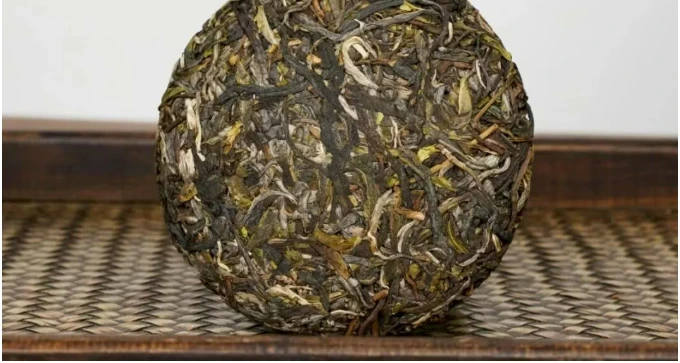
Compressed vs Loose Pu-erh Tea: Cakes, Bricks and Tuocha
Compare compressed and loose Pu-erh by handling, storage and brewing, without assuming a cake always ages better or guarantees quality.

Raw Pu-erh vs Green Tea: Fixation, Drying and Aging
Understand how raw Pu-erh and green tea differ in processing goals, sun drying and aging, beyond a simple high-versus-low-temperature rule.

How Long Should Pu-erh Tea Age? Reading the Evidence
Explore how Pu-erh flavor changes with age and why studies of selected samples cannot establish one best drinking year for every tea.
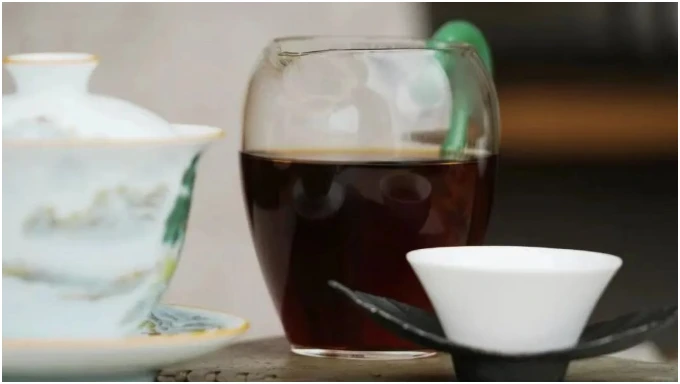
Why Does Ripe Pu-erh Leave a Dry Mouth or Throat?
Distinguish astringency from irritation and explore brewing, processing and storage checks when ripe Pu-erh leaves an unpleasant dry sensation.
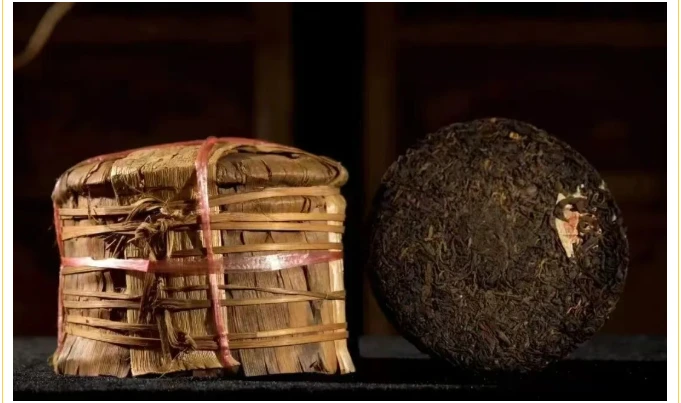
Vintage Pu-erh Auctions: Famous Teas and How to Read Prices
Explore famous vintage Pu-erh names and learn to distinguish estimates, hammer prices, buyer premiums and lot sizes in auction records.
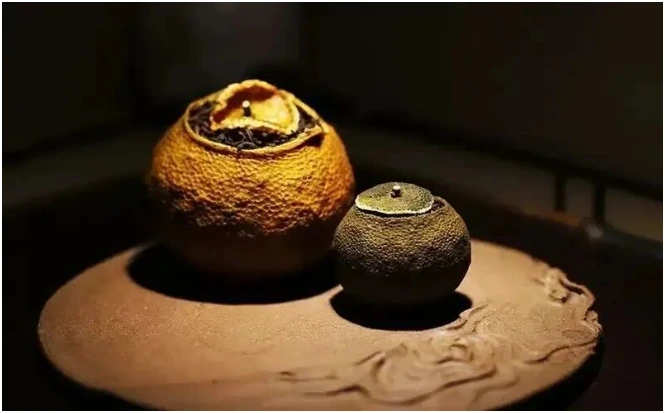
Xiaoqinggan vs Chenpi Pu-erh: Five Practical Differences
Compare green mandarin-filled Pu-erh and aged-peel Pu-erh by fruit maturity, format, flavor, brewing control and storage.

Lincang Pu-erh Tea Regions: Beyond a Price Ranking
Meet several Lincang tea-growing names and learn how to compare origin claims without treating old price rankings as a quality scale.

Ancient-Tree vs Plantation Pu-erh: Does Tree Age Decide Quality?
Explore tree-age claims, garden management and tasting comparisons in Pu-erh, while separating age from origin, harvest and storage effects.