Tea & Teaware Guides
Te Ming Keemun Gongfu: Leaf, Aroma and Taste
What “Te Ming” tells you
The source article describes a Keemun Gongfu sold as Te Ming, or 特茗. Its appeal is a combination of fine, even leaves, a fragrant cup and a full, sweet finish. That is a useful description of the sample, but the label needs context: ask which grading specification the producer uses and what distinguishes this lot from its other selections.
Keemun, also spelled Qimen, is a Chinese black tea associated with Qimen in Anhui. Gongfu here describes the tea-making style, including careful refining. It does not require you to use a particular set of brewing utensils.
Fine leaves, then a clear red cup
The dry leaves in this example are dark, fine and fairly uniform, with pointed tips and a little lighter-colored down. Refining helps bring suitable leaf fractions together and remove unwanted material. The heritage account distinguishes initial manufacture from the later refining work; a short list of “four steps” does not describe the whole craft.
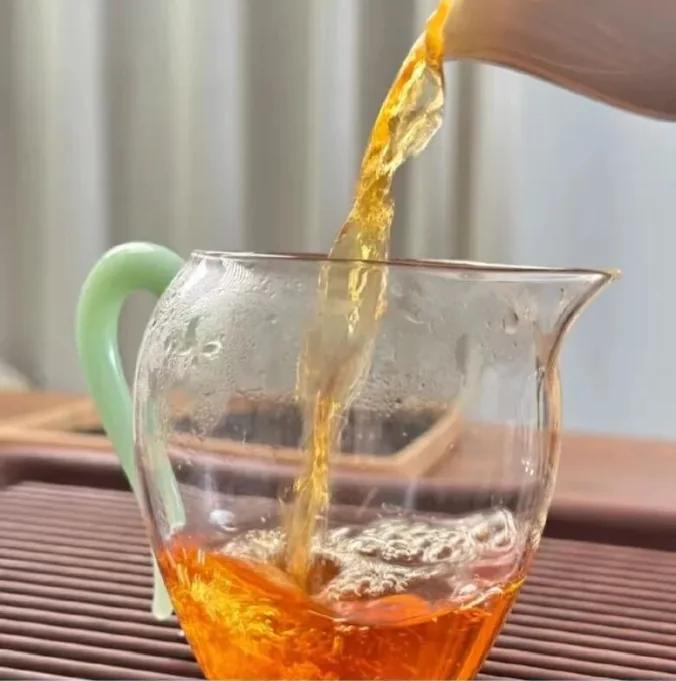
Pour the tea into a white cup and look at it in ordinary daylight. The sample produces a clear orange-red liquor. The bright rim around a cup can be attractive, but it depends on light, the cup and the strength of the brew. A golden rim alone is not a grading test.
Follow the aroma as the cup cools
The source describes floral, fruity and honey-like notes, the family of impressions often discussed as Qimen aroma. Smell the warm pitcher and the empty cup, then sip again after the liquor cools slightly. A small sweet note can be easier to notice once the heat is less distracting.
In this sample, the intended balance is a substantial but smooth liquor, followed by a lingering sweet fragrance. If your cup tastes sharp or drying, try less leaf or a shorter infusion before deciding the tea is poor. Fine Gongfu leaf can release flavor quickly.

Try it plain before adding milk
For a simple comparison, start with 2 grams per 150 mL (about 5 fl oz), water around 90°C (194°F), and a two-minute steep. These are home-tasting starting points, not official judging conditions. Keep the dose and time the same when comparing two grade labels.
Taste it plain first so you can judge the fragrance and finish. If you prefer milk tea, brew a separate, slightly stronger cup and add a little milk. Keep the dry tea sealed, away from heat, moisture and kitchen odors. A restrained grade label and a cup you enjoy are a better pairing than an elaborate claim you cannot check.