Tea & Teaware Guides
Air-Layered vs Grafted Xinhui Citrus: A Chenpi Buyer’s Guide
Two terms that describe how the tree was propagated
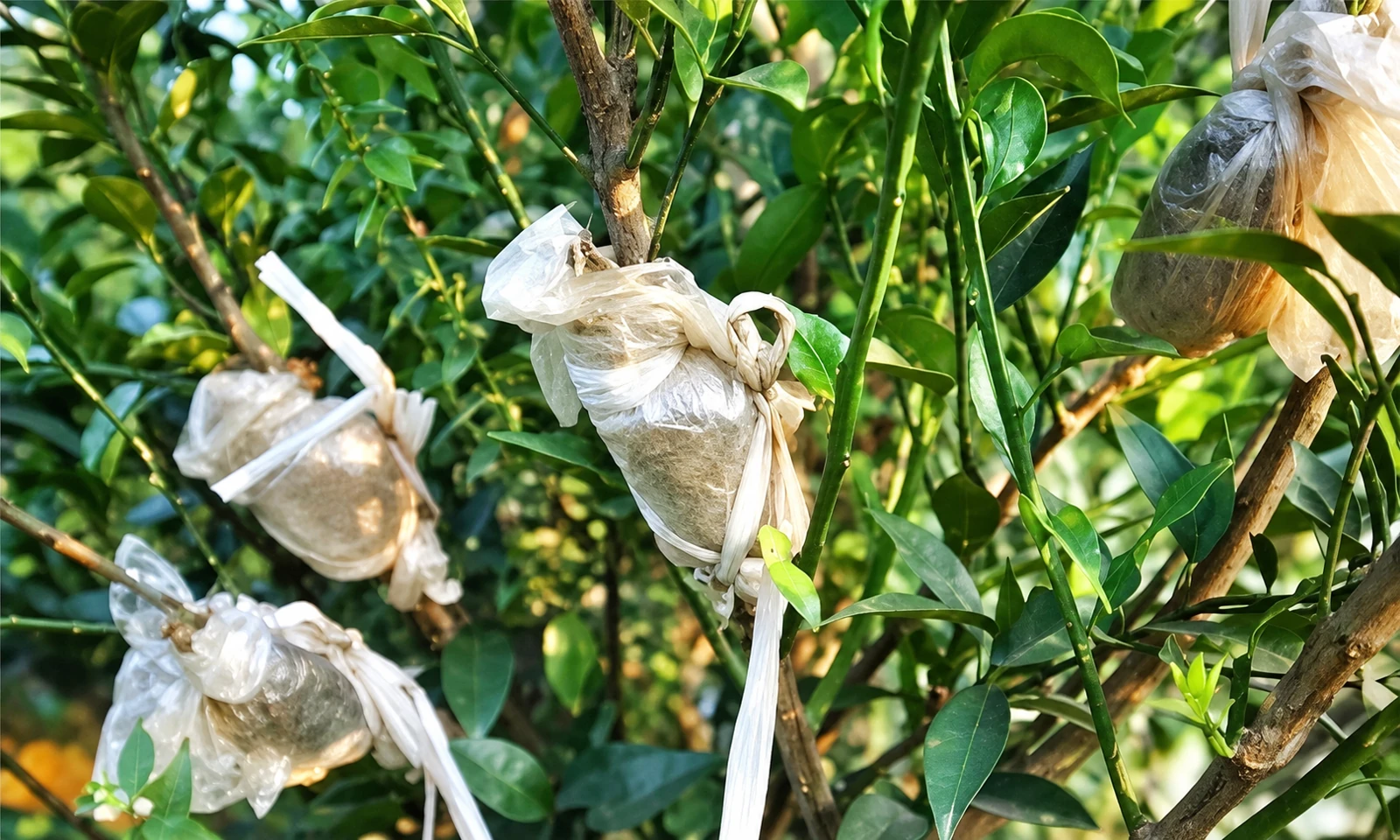
Quanzhi and bozhi often appear in listings for Xinhui chenpi. Quanzhi refers to air-layering: roots are encouraged to form on a branch while it remains attached to the parent tree. Once rooted, that branch can be separated and planted. Bozhi refers to grafting, where a chosen citrus scion grows on a rootstock.
These are cultivation terms. They are not, by themselves, certificates of origin, storage age or drinking quality. Before paying a premium for either label, ask what records connect the claimed orchard and propagation method to the peel in the package.
How air-layering works
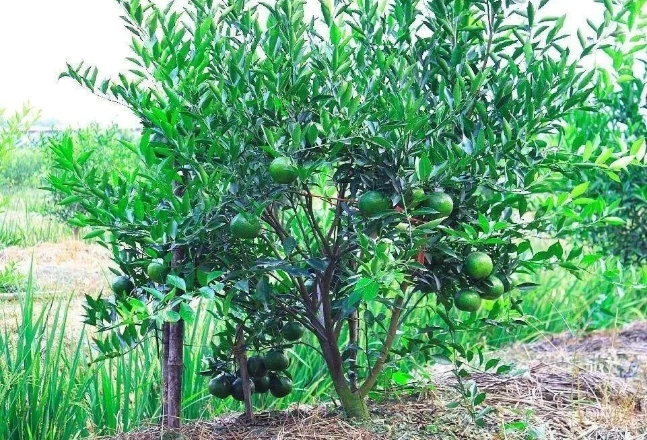
The source photographs show a branch wrapped around a prepared section where roots are encouraged to develop. This makes the new tree from vegetative material rather than from a seed. The term is sometimes translated literally as “ring branch,” but air-layering is the more useful English description.
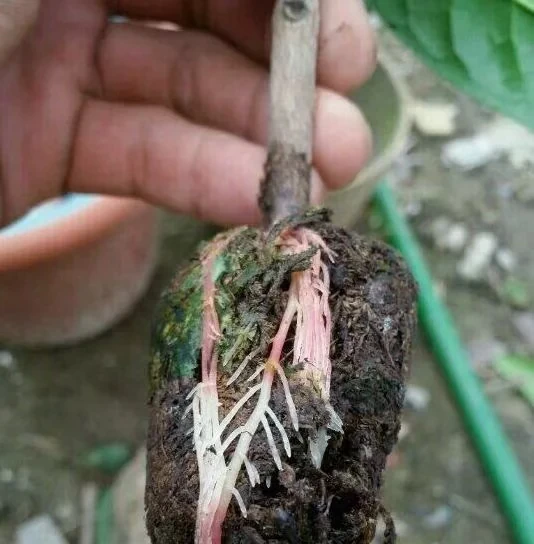
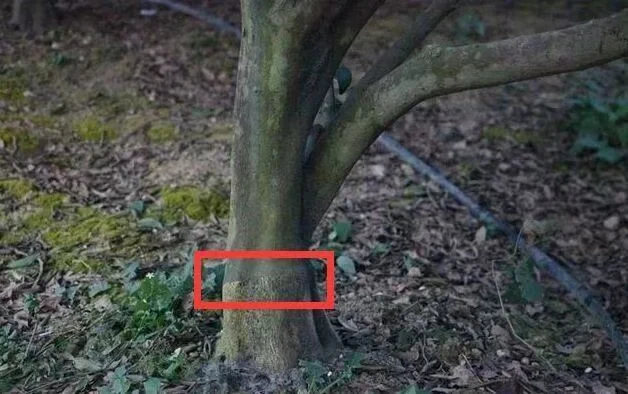
The source illustrates emerging roots and a tree without the graft union expected from grafting. These are orchard observations. Once fruit has been peeled, dried and aged, a shopper cannot reliably reconstruct that nursery history from the outline of a single peel.
Grafting is not the same as crossing two parents
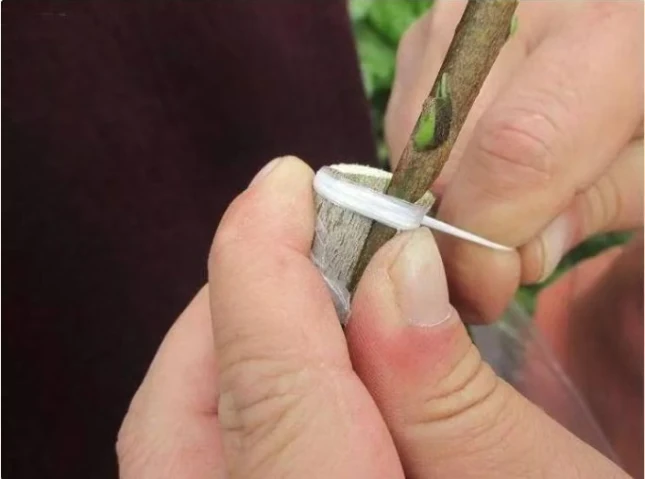
A graft combines a scion with a rootstock so the joined plant can grow. It is not the same process as breeding a hybrid from a cross. A citrus scion does not automatically become a lemon hybrid simply because it is placed on a different rootstock.
Rootstock choice can influence growth and orchard performance, but the blanket claim that grafted peel must taste like lemon, or must always contain fewer useful constituents, is too strong. Fruit quality also reflects the scion, growing conditions, crop management and harvest maturity. Claims about a particular batch need evidence for that batch.
Keep propagation, quality and age as separate questions
For propagation, ask for orchard and nursery information. For origin, ask for traceable harvest and processing records. For age, ask when the fruit was harvested, when storage began and how the peel was kept. For flavor, compare small samples under the same brewing conditions.
Larger fruit, thicker peel, a high price or an attractive story cannot settle all four questions. Neither a dark outer surface nor loose inner pith can tell you an exact year. Grafting alone also does not make genuine Xinhui-grown material a counterfeit.
A practical order for buying
First establish a sound, clearly labeled food product. Then confirm the origin and batch information. Ask the seller to explain any special propagation or aging claim, and keep that explanation with the purchase record. Finally, decide whether the flavor and price make sense to you.
If the main sales pitch is unusually old age, read the separate guide on artificially aged chenpi. It explains why color, tea-soup depth and a photograph are clues to investigate rather than conclusive tests.
References for this editorial update
Continue exploring chenpi
Source attribution
Reprinted from Dong Cha Di (懂茶帝), an independent tea media publication. Edited and translated into English by Sandao; promotional material has been removed and research and food-safety claims have been reviewed for scope.