Tea & Teaware Guides
Yixing Teapot Gift Guide: Choose a Pot They’ll Use
A good Yixing teapot gift starts with the person who will use it. Find out what they drink, how they brew and which objects they enjoy living with. A beautifully made pot can still be an awkward present if it is too large, hard to hold or intended for a tea they rarely drink.
In China, a gift of teaware can be an invitation to spend time together. The cheerful phrase hu dao, fu dao—roughly, “a teapot arrives with good wishes”—captures that sentiment. It is a message of goodwill, rather than a promise that every pot suits every recipient.
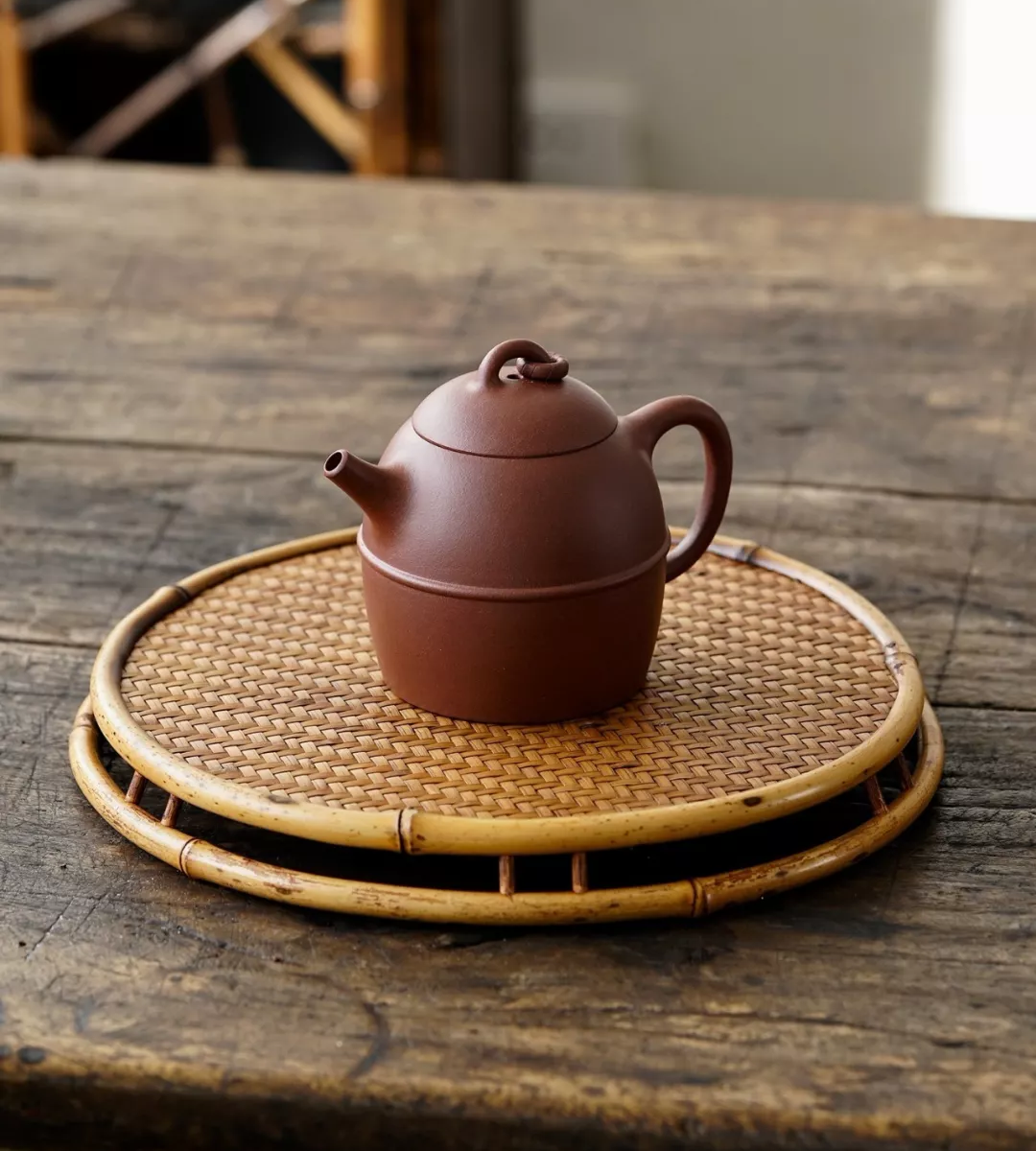
A Chinese Yixing teapot belongs to the unglazed clay teaware tradition of Yixing, Jiangsu. The Metropolitan Museum of Art’s Yixing collection record offers historical context for that Chinese craft. For a gift, though, the most useful question is personal: will this become part of the recipient’s tea routine, or do they want an object to admire?
Start with the recipient’s habits, not a gender rule
The simplest clue is often already on their tea table. Notice whether they use a small gaiwan for repeated infusions, share a larger pot with family, or make one mug at a desk. Ask a friend or family member for a photograph if you are choosing from a distance.
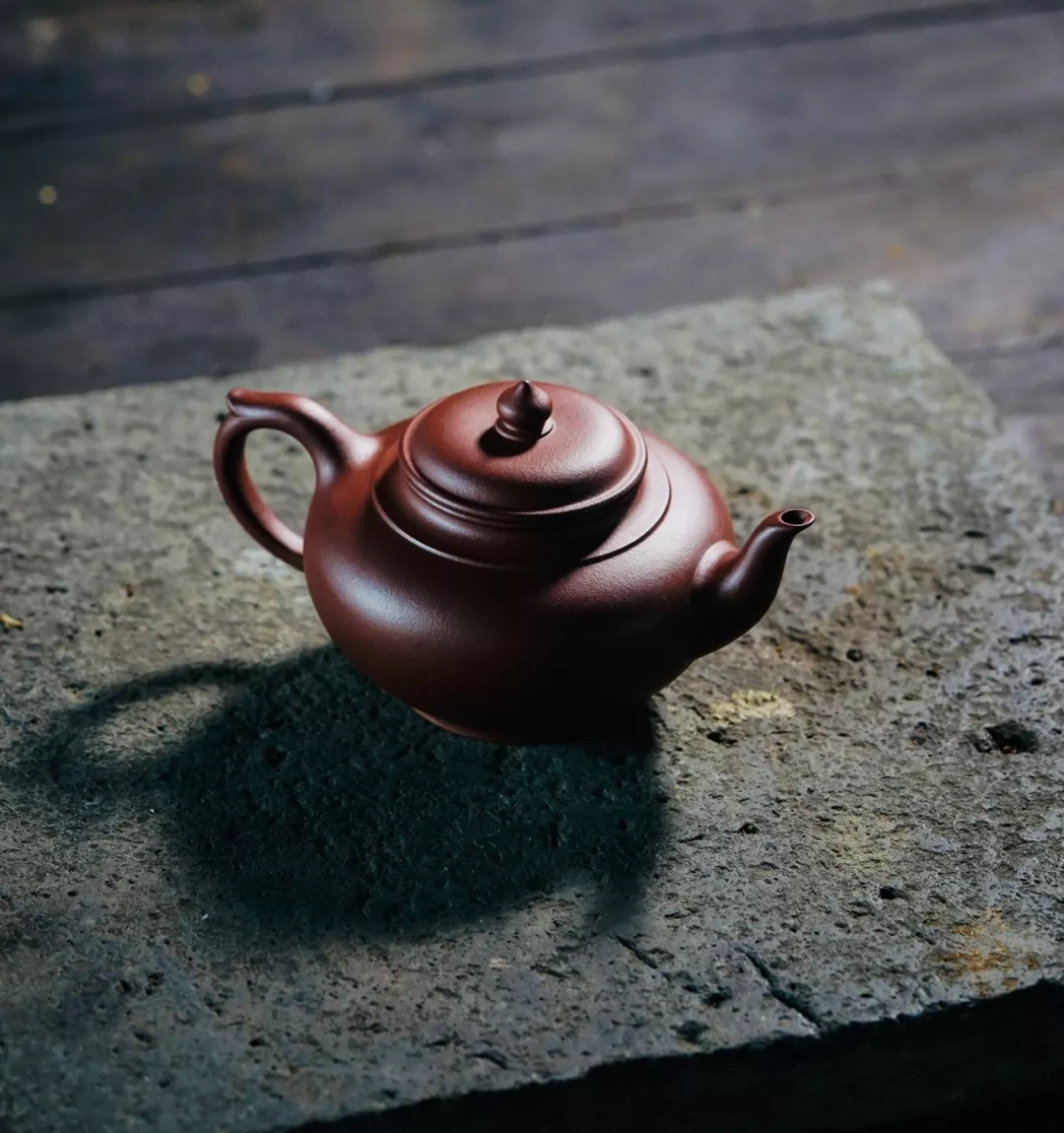
Rounded, angular, tall and low-bodied pots can appeal to anyone. Forms such as Fanggu, Shipiao, Xishi and Siting provide a vocabulary for discussing shape; they do not need to be divided into gifts “for men” and “for women.” Choose the outline, proportions and finish the person actually likes.
Our illustrated Yixing shape guide helps identify familiar forms. Do not infer a precise clay, maker or historical attribution from a photograph alone.

Five useful questions before buying
- Which tea do they brew most often?
- Do they usually drink alone or share?
- What working capacity do they already find comfortable?
- Do they prefer plain surfaces, calligraphy or sculptural decoration?
- Would they enjoy looking after an unglazed pot?
If you do not know their tea preferences, a glazed Chinese tea pot or porcelain gaiwan may be easier to give. Someone who enjoys trying a different tea every day may value that flexibility. The six-tea pairing guide can help you decide whether a dedicated clay pot fits their habits.
For a beginner: choose an easy everyday pot
A first pot should be welcoming to use. Look for a comfortable handle, an accessible opening and a pour that can be controlled without an awkward wrist movement. Ask the seller for a short pouring video and the usable capacity, not just the nominal size.

There is no need to stretch the budget to buy a famous name. Fully handmade and mold-assisted handmade pots should be assessed by their stated making process and the finished vessel. Neither label alone proves clay origin, drinking quality or a good match for this particular person.
Leave room in the budget for careful packing and delivery. If they do not already have a tea setup, ask whether they would prefer a simple pot, a gaiwan or a few useful cups. A large boxed set can be less helpful than one well-chosen piece. Our usable-capacity guide explains how to relate a pot to the cups it will fill.
For an experienced tea drinker: get more specific
An experienced drinker may already have a preferred pot for each regular tea. Rather than trying to outspend their collection, find a genuine gap: a form they have mentioned, a capacity they need or work by a maker they follow. A discreetly requested shortlist can be more successful than a complete surprise.
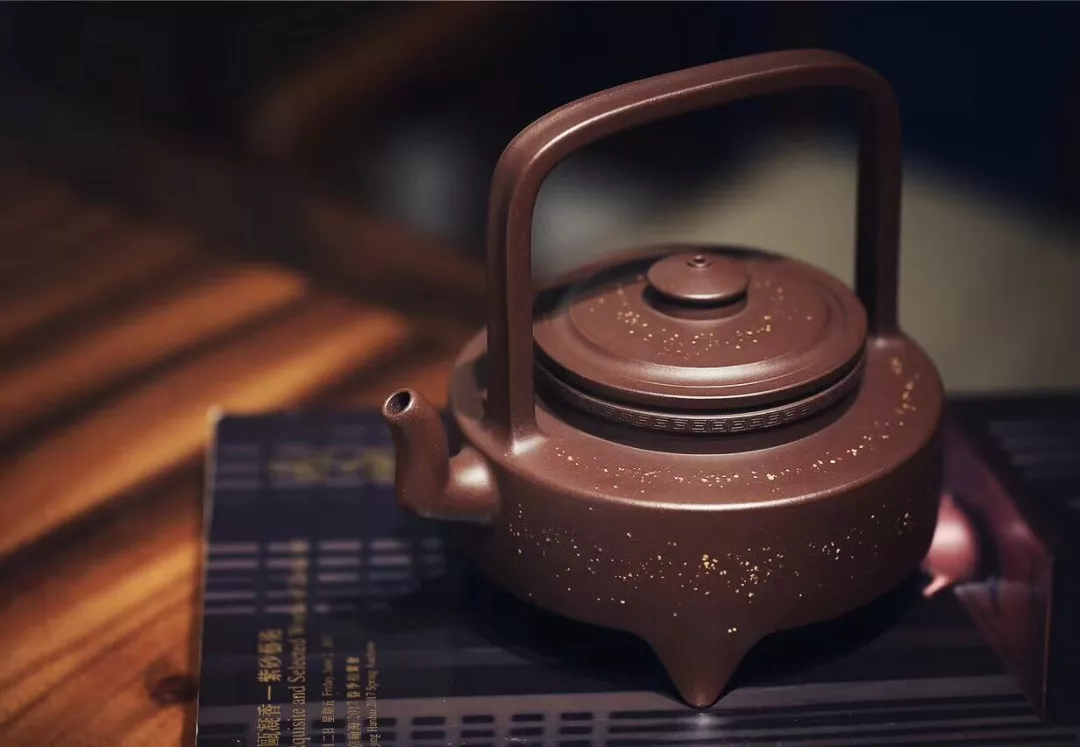
For a collector, request clear photographs of the actual piece, including the base, lid, interior and any marks. Keep the maker’s stated information, invoice and provenance documents together. A seal or certificate is a starting point for checking a claim, not independent proof of authorship.
Decoration is personal, too. If a pot carries a poem or inscription, ask for its exact text, translation and attribution before ordering. Preserve the original artistic inscription; use an accompanying note to explain it. Do not commission a name or date until the wording has been checked.

The square pots pictured here show calligraphy and a horse illustration. They illustrate decorative choices, rather than verified works by a named artist. For the broader questions behind a seller’s claims, use our Yixing teapot authenticity checklist. Prices and their many influences are covered separately in the price guide.
Family and business gifts: let the message fit the relationship
For parents, relatives and close friends
A shared tea habit is a better starting point than age alone. Consider the weight when full, handle clearance and whether the person prefers a quiet classic form or an expressive piece. A short note about why you chose it can carry more meaning than an elaborate box.
Chinese decorative symbols can add a thoughtful layer. Peaches have a longstanding association with longevity in Chinese art, as explained by the Metropolitan Museum of Art. Ruyi means “as you wish” and conveys good wishes, as described in the Smithsonian’s ruyi collection record. These meanings can help explain a verified motif; they do not establish the symbolism of every vaguely similar shape.
For colleagues or a business contact
Keep the gift proportionate to the relationship and check the recipient’s workplace gift policy. A restrained, useful piece with a clear explanation is often easier to receive than an expensive object intended to signal status. Lions, dragons or angular forms need not be assigned automatically to a manager.
If you do not know the person’s tea preferences, ask through an appropriate contact or choose something with fewer brewing requirements. Avoid permanent customization unless the recipient would welcome it.

A note on tea pets: the animal figures above are decorative tea-table ornaments, not teapots. They may be a separate gift idea for someone who enjoys such objects, but should be described and chosen as ornaments rather than brewing equipment.
A final checklist before the gift leaves your hands
- Confirm the exact piece. Check its dimensions, usable capacity and what is included. Photographs of a group do not mean the whole group is supplied.
- Check condition. Request close views of the rim, lid, spout and handle, especially for a pre-owned pot.
- Pack the lid separately. Cushion it within the package so it cannot strike the body. Protect the spout and handle, and use a rigid outer box.
- Keep the useful paperwork. Include care notes and any maker or material information, while keeping price paperwork discreet if appropriate.
- Check delivery and exchanges. Allow time for transit and inspection. Read the seller’s damage, exchange and personalization terms before buying.
- Leave first use to the recipient. Give the pot clean and dry. Avoid tea-soaking, scented cleaning products or attempts to create an artificial patina before presentation.
A simple care card can say: rinse before first use, warm the pot gradually, empty the leaves after brewing and dry with the lid off. Link the recipient to the first-use and care guide for the fuller routine.
When a different tea gift makes more sense
If the person only uses tea bags, has no interest in unglazed clay or already collects within a very specific field, it is fine to choose a different present. A porcelain cup, a versatile glazed pot or a shared tea tasting can be more considerate. The point is to show that you noticed what they enjoy.
Adapted from the supplied Chinese article on giving Yixing teapots. Seven photographs follow their corresponding positions in the source: opening, recipient and shape preferences, beginner, experienced collector, decoration and family-gift discussion. Photographs illustrate the choices discussed; no maker, clay, age or market value is authenticated from them. Original artistic inscriptions are preserved, with explanations in the text rather than altered lettering.