Tea & Teaware Guides
Yixing Teapot Price: What Should You Pay?

A Yixing teapot price can look baffling at first: one pot costs less than a dinner out, another a few hundred dollars, and a collector’s piece far more. If you just want a good pot for tea, you do not need to shop at the top of that market.
For a first modern pot, US$100–250 is a useful starting budget to compare, based on the selected public retail examples below. It is a shopping recommendation, not a minimum price for authenticity. A higher price does not prove genuine Yixing clay, handmade construction, or a famous maker’s involvement.
The question to ask is simple: what does the extra money buy? This guide separates everyday brewing, careful workmanship, maker reputation, and collectible art, so you can choose a Chinese Yixing teapot for the reasons that matter to you.
How much does a Yixing teapot cost?
Here are three concrete asking-price examples from public retailer pages checked on October 10, 2026. All amounts are in US dollars. These are selected listings, not a market average, independent authentication, or Sandao product prices. Promotions, stock, shipping, and taxes may change what you actually pay.
| Retail listing | Displayed price | What the seller describes |
|---|---|---|
| Yunnan Sourcing: Zi Ni Long Dan, 120 ml | $80 | A Zi Ni purple-clay pot in a compact traditional form. |
| TeaVivre: Pear-Shaped Short Shui Ping, 180 ml | $119 | A Zhu Ni pot described by the retailer as fully handmade. |
| TeaVivre: Tall Shui Ping, 220 ml | $229 | A Zi Ni pot listed with a named maker and a fully handmade description. |
These examples show why “real Yixing must cost at least $300” is too blunt a rule. They also show why two pots with similar labels need closer comparison. Their asking prices tell you what a retailer charges; the production and origin claims still deserve their own checks.
A practical way to set your budget
| Your budget | What to focus on |
|---|---|
| Below $75 | Read the origin and construction description especially carefully. A low price alone neither proves a fake nor establishes genuine zisha. |
| $75–150 | Compare straightforward modern pots for everyday use. Prioritize fit, capacity, pouring, and a seller who can explain the actual piece. |
| $150–300 | Ask what the premium adds: clearer maker information, more labor, detailed decoration, finishing, or better documentation. |
| Above $300 | Decide whether you are paying for a specific artist, demanding design, or collectible attribution. Require evidence that matches the claim. |
These are budgeting bands, not official quality grades. The same price can cover quite different products, and the most expensive choice may add little to your daily cup.
Four reasons buyers pay different prices
Think of practical ware, finely crafted ware, recognized makers’ work, and art as overlapping reasons to buy. A beautifully made pot can still be an everyday brewer.
1. Everyday brewing: pay for a pot you will use

A practical pot should suit your tea sessions. Look at usable capacity, access for adding and removing leaves, a handle you can grip comfortably, lid fit, and a pour that you can control. A photograph of a well-known shape cannot tell you all of that; an actual-piece pouring video is more useful.
If your budget is limited, choose a simpler form and spend on workmanship and clear product information. You do not need elaborate carving, a prestigious title, or a claim that the clay has been stored for decades just to enjoy tea.
Do not judge affordability by clay weight alone. Forming, assembling, finishing, firing, checking, packing, and selling all contribute to the price. Fixed assumptions about clay quantities, wages, and firing losses are not reliable calculations for every workshop.
2. Fine workmanship: find the improvement you care about

Careful proportions, crisp transitions, well-finished joins, and coordinated lid, spout, and handle can justify a higher asking price. Decoration can add labor too. But ornamental complexity and good construction are separate questions: check both.
Fully handmade and mold-assisted, or half-handmade, construction involve different processes. Neither term alone settles whether a pot is suitable for you. Compare the actual workmanship, and ask the seller to explain which parts were formed with molds. Our fully handmade versus half-handmade guide covers those distinctions.
A design you particularly love may be worth paying extra for. Just be clear whether you are buying better function, a more demanding shape, or the pleasure of owning that design.
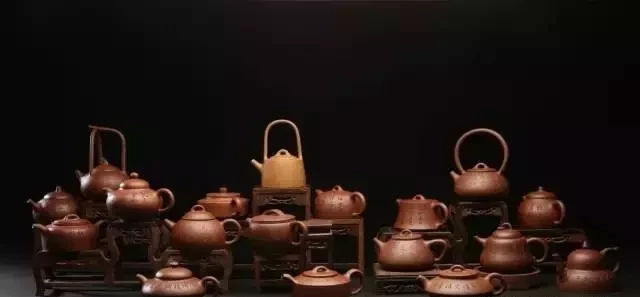
3. A known maker: verify who made the pot
A recognized artist’s name can influence demand and price. The useful question is whether that person actually made this piece, supervised a workshop version, designed the form, or merely inspired it. Those descriptions should not be treated as interchangeable.
Ask for the maker’s full name, the production date if known, and records connecting the pot to that maker. Photographs of seals and a certificate can support an account, but they are not independent proof on their own. Professional titles and honorary master awards are also different credentials; our Yixing artist and title guide explains the terms.
A skilled maker with a modest title can make an excellent pot. A famous name on an unverified listing does not automatically make the price reasonable.
4. Collectible art: a different kind of purchase

At the art end of the market, buyers may be paying for a documented artist, distinctive work, provenance, condition, and scarcity. Those factors can produce prices far beyond the cost of making a useful teapot.
For perspective, Christie’s reports a US$150,000 price realized for the “Flowing” teapot by Wang Yinxian and Zhang Shouzhi in its March 26, 2019 sale. That is one documented auction result, not a typical retail price or a forecast of resale value. See the Christie’s lot record.
Do not apply an exceptional auction result to an ordinary pot with a similar silhouette or signature. When collecting is your purpose, evaluate attribution, condition, and comparable documented sales separately from how well the pot pours.
What drives the price beyond a maker’s name?
Clay and the claims made about it

Yixing zisha craft comes from Yixing in Jiangsu, China. China’s national heritage record describes the preparation of local clay and the hand-forming techniques behind the tradition. It gives useful context for the work involved, rather than a price list. See the official Yixing zisha craft record.
Clays and processing differ, and particular material claims may add a premium. If a seller asks more for “original ore,” “old clay,” or a named mining source, ask what records support that description. A smooth surface, a particular color, or a high price cannot verify it.
Clay aging refers to preparation and storage of the material; it does not make a newly made pot an antique. Nor does “natural” by itself establish suitability for food contact. Keep material origin, finished-product suitability, and collectible value as separate questions. Our Yixing clay types guide explains the common names.
Labor, firing, finishing, and selling
A difficult form or extensive handwork can require more labor. Firing also involves costs and the possibility of losses, but there is no universal failure percentage to add to every teapot’s price. Finishing and quality checks matter as much as a dramatic production story.
A retail price can also include packaging, photography, customer service, local inventory, and the seller’s margin. Two sellers can charge different amounts for comparable ware without that difference proving that either pot is fake.
Buying from China: compare the delivered cost
A lower sticker price from a seller in China may look attractive. Compare the full total in the same currency before deciding. Confirm which charges are already included rather than adding them twice:
- The pot’s price after any discount.
- Shipping, protective packing, and any optional insurance.
- Taxes, import charges, or handling fees applicable to your destination.
- Currency-conversion or payment fees.
- The return terms, who pays return shipping, and how transit damage is handled.
For example, a $120 pot plus $25 shipping and a $5 payment fee totals $150 before any applicable tax. That is arithmetic for a hypothetical order, not a quote or a statement about today’s import rules. For orders from China, ask the seller to confirm the total and delivery terms for your address.
How to judge whether a quote is worth paying

Before you compare prices, decide how you will use the pot. A Chinese tea pot for one person’s daily gongfu sessions has a different brief from a gift or an artist’s work bought for display. Start with capacity and purpose, then compare like with like.
- Ask for photographs of the actual piece, including the inside, base, lid underside, handle, and spout.
- Confirm the clay description, origin, and making method in writing.
- If a maker’s name affects the price, ask what connects that maker to this specific pot.
- Check a pouring video and ask about lid movement or leakage, without expecting an airtight vessel.
- Confirm chips, cracks, repairs, or other condition issues, particularly on older ware.
- Compare the delivered total and return terms with another listing offering similar capacity, construction, and documentation.
If the seller cannot explain why a $250 pot costs more than a $120 alternative, you do not have enough information to judge the premium. If the difference is clear and useful to you, paying more may make sense. You can use our overseas teaware buying checklist to organize the details.
Yixing teapot price: common questions
How much should I spend on my first Yixing teapot?
Start by comparing modern pots around US$100–250, then adjust for your budget, capacity, and the evidence supplied. This is a practical starting budget based on selected listings, not a threshold for authenticity.
Can a Yixing teapot under $100 be genuine?
Price alone cannot answer that. Public listings include pots described as Yixing below $100, but a listing’s description is not independent verification. Look at origin, construction, workmanship, and the seller’s explanation together.
Why are handmade Yixing teapots more expensive?
Additional handwork and difficult forms can raise costs. Artist reputation, decoration, documentation, and retail services can also affect the price. Ask what “handmade” means for the particular pot rather than relying on the label.
Does an expensive purple clay teapot make better tea?
A higher price does not guarantee a cup you prefer. The pot’s size, geometry, your tea, water, and brewing method all matter. A premium for an artist’s name or elaborate decoration may have little to do with brewing.
Is buying a teapot in China always cheaper?
Compare like-for-like products and the full delivered price. A domestic asking price and an overseas retail total can include different services and charges. Neither location nor price proves authenticity.
Are Yixing teapots a guaranteed investment?
No. An asking price or exceptional auction sale does not guarantee a future buyer or a resale price. If your goal is tea, buy a pot you enjoy using; if your goal is collecting, assess the piece and its documentation on their own merits.
Price and photograph notes
Retail examples were checked on October 10, 2026, in USD; revisit the linked listings for current prices and availability. They are comparison examples, not endorsements. The auction example is a historical sale. Photographs illustrate forms and uses. Where captions mention a maker or clay claim from the source, that description has not been independently authenticated. Images are not appraisals or authentication evidence.