Tea & Teaware Guides
Four Black Tea Myths: Color, Heat and Brewing Water
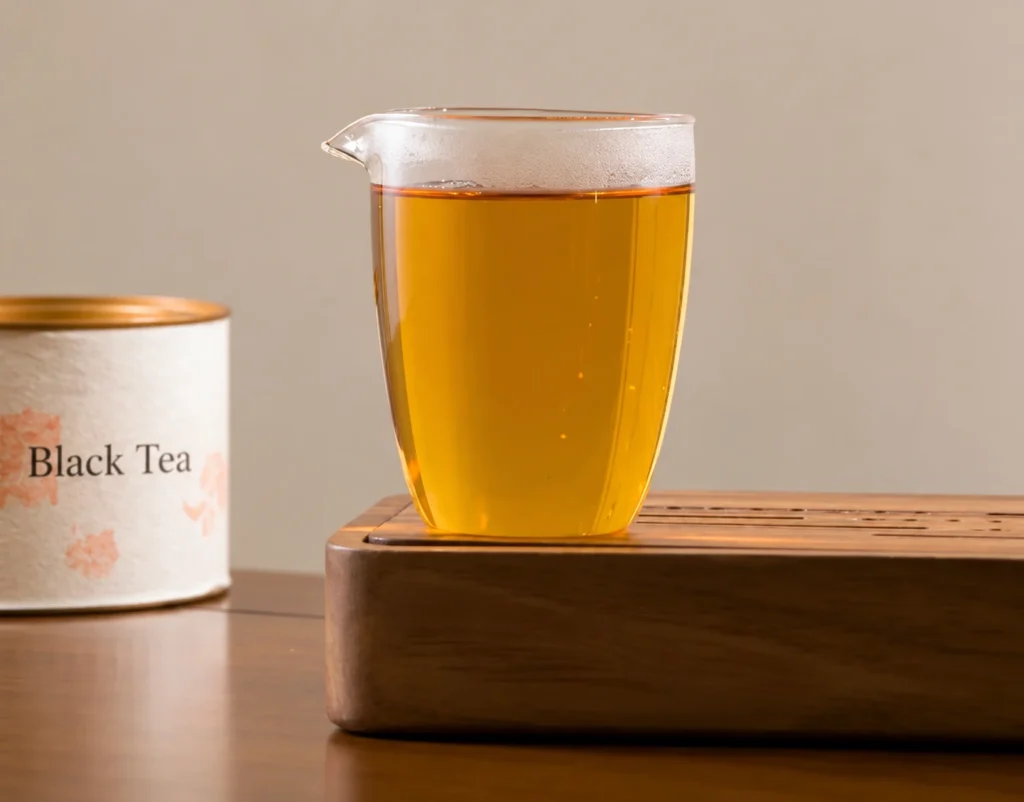
Four familiar claims worth checking
Chinese black tea ranges from fragrant Keemun to golden-tipped Dianhong and the smoked or unsmoked styles of Lapsang Souchong. That variety makes simple rules tempting—and often misleading. The source article challenges four claims that frequently appear in tea discussions.
A processing label or a traditional expression can be useful shorthand. Problems start when it turns into a promise about every tea or every person.

Myth 1: black tea inevitably causes “internal heat”
Shang huo, often translated as ‘internal heat,’ is a traditional description rather than a single clinical diagnosis. It does not follow that all freshly made black tea causes it, or that storing tea for exactly two weeks guarantees a different response.
If a tea leaves you uncomfortable, consider concentration, serving temperature, caffeine sensitivity and what else you have eaten. Reduce the strength or stop drinking that tea instead of forcing yourself to finish it because its category is supposed to suit you.
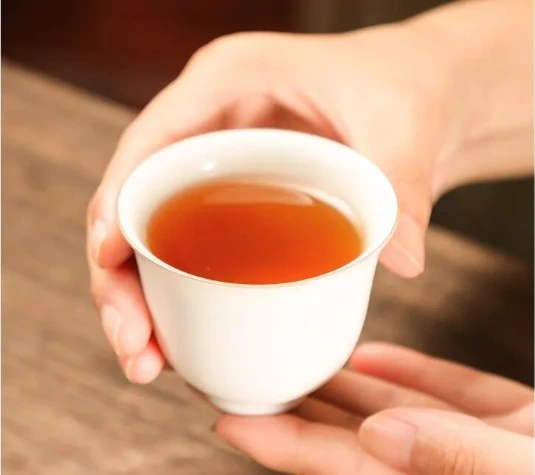

Myth 2: the redder the liquor, the better the tea
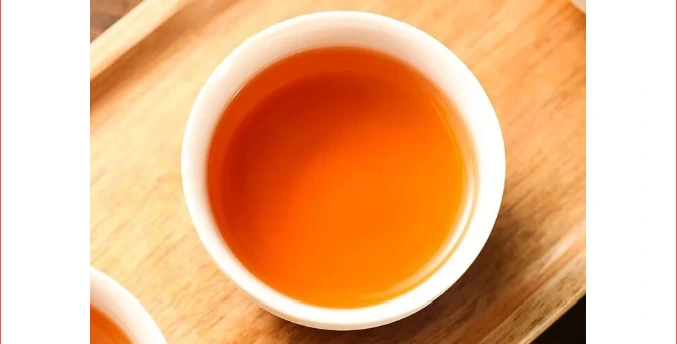
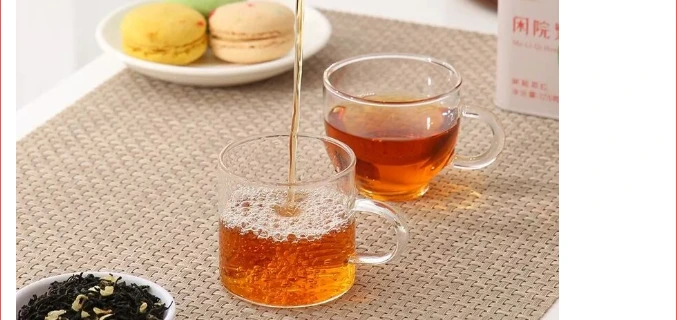
Black tea can brew golden yellow, orange, amber or red-brown. Pigment balance, leaf material and processing all play a part. So do the amount of leaf, steeping time, cup depth and light. A beautiful golden infusion is entirely compatible with good black tea.
Check clarity and brightness alongside aroma and flavor. A very dark brew might simply be concentrated. Neither its redness nor a golden rim proves its origin, grade or authenticity.
Myth 3: black tea must never meet boiling water
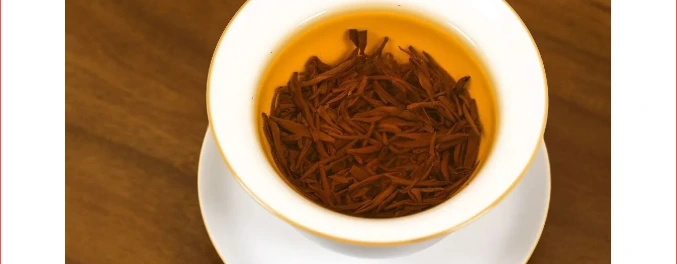
There is no single temperature for every black tea. Near-boiling water works well for many whole-leaf teas when the infusion is brief. A somewhat cooler start can be useful for a delicate tea or a longer mug infusion. Leaf size and tenderness offer clues, not an inflexible temperature chart.
For a first try, follow a reliable supplier’s instructions, keep the leaf weight consistent and taste before extending the steep. If the cup is harsh, shorten the time or use less leaf before changing several variables at once. Sourness is not an inevitable reaction between black tea and boiling water.
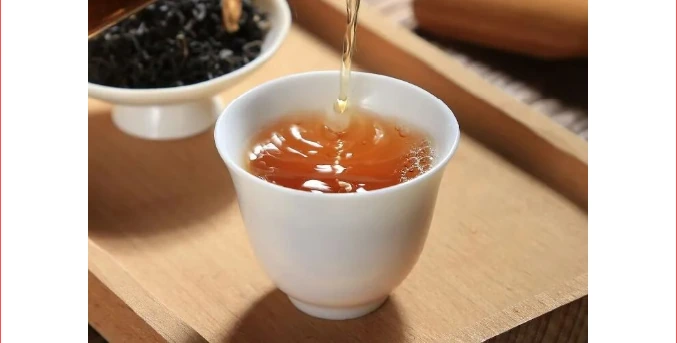


Myth 4: black tea repairs the stomach
Feeling comfortable with a warm drink is different from treating a digestive condition. Black tea still contains caffeine and polyphenols, and individual responses vary. It should not be advertised as a remedy for gastritis, ulcers or reflux.
For people with reflux, caffeine-containing drinks may aggravate symptoms. NIDDK recommends identifying personal triggers rather than applying a universal food rule. Choose a comfortable drinking temperature, avoid unnecessarily strong tea and seek medical advice for persistent symptoms.

References for this editorial update
Related black tea guides
- Black Tea Oxidation: How Time and Temperature Change Taste
- Is Black Tea Good for Your Stomach? What to Know
Source attribution
Reprinted from Dong Cha Di (懂茶帝), an independent tea media publication. Edited and translated into English by Sandao; promotional material has been removed and research findings are presented within their limits.